Australian NF Research Shines on the World Stage
August 04, 2026
News from the 2026 NF Conference in the USA for NF patients and carers.
Click here to read the update for Health Care professionals.
What happened?
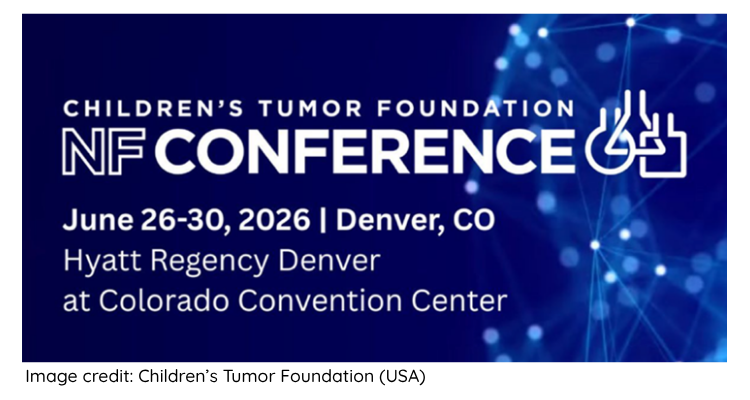
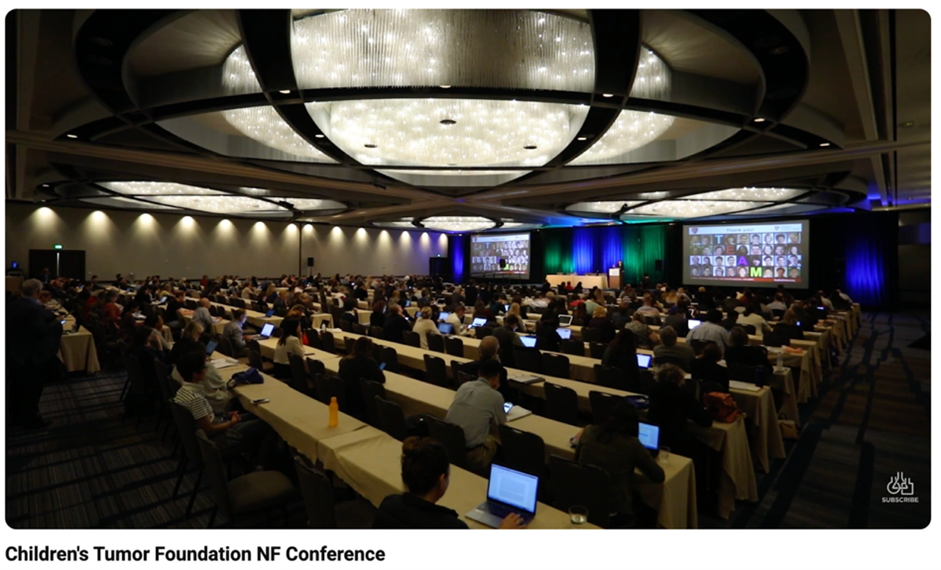
The Children's Tumor Foundation USA (CTF USA) recently hosted its 2026 NF Conference, the largest NF research and clinical care meeting in the world.
Every year scientists, doctors and health care professionals from many countries come together to share the latest discoveries about neurofibromatosis (NF) and discuss new ways to develop drugs and improve treatment for people living with NF.
Australia was strongly represented this year, with several Australian experts invited to present their latest findings to an international audience.
How to read this article
This article provides a plain-language reflection on presentations, discussions and emerging research shared at the 2026 NF Conference organised by the Children's Tumor Foundation (CTF)-USA. It is written with the Australian audience in mind and intended for individuals and families who would like to hear about current developments in NF research and care.
Some of the research touched on is well established, while other work is in the early stages of development. It is important to remember that:
Not every research finding will be relevant to every person with NF.
Promising early results do not always lead to new evidence-based treatments or changes in clinical care.
Access to new therapies may vary between countries and over time.
Research findings should not be used as a substitute for personalised medical advice.
If you would like to understand whether any of the topics discussed here are relevant to you or your family member, we encourage you to discuss them with your treating specialist or healthcare team.
The extent of NF research is growing
For a long time, NF researchers have focused on the genetic causes of NF and the tumours which can develop in NF patients. This work remains incredibly important.
However, one of the biggest messages from this year's conference was that NF affects patients in more ways than living with tumours.
For the first time everyday challenges for people with NF were discussed in special sessions organised by experts, including:
- Pain
- Sleep difficulties
- Bone health
- Learning and attention challenges
- Development through childhood and adolescence
This reflects what many families living with NF have been saying for years. NF specialists agree that improving quality of life is just as important as treating tumours.
Several NF1 researchers from Australia with interests in these topics attended the scientific meeting. They were invited to speak and share their thoughts on the impact of NF to the international audience.
Australian researchers help broaden progress in NF
Sleep in NF
Dr Natalie Pride from The Children's Hospital at Westmead in Sydney organised the first-ever conference session focused entirely on sleep in NF1. The presentations in this session included new findings from clinical, genetic and basic science research. The evidence is clearly growing that sleep problems may be more common in people with NF1 than previously understood.
Why is this important?
Understanding sleep difficulties in young patients with NF1 can help finding ways to manage the influence of poor sleep on functioning during the day. It could benefit learning, behaviour and overall wellbeing of children with NF1. Experts believe sleep assessments should become a routine part of NF1 care.
Child development, learning and behaviour
Dr Jonathan Payne from the Murdoch Children's Research Institute in Melbourne spoke about how NF1 can affect brain development and cognitive health during childhood development. This includes thinking skills and regulation of emotions and behaviour.
He is an expert clinical neuropsychologist on NF1. Together with other experts, they explored how other health care professionals can better recognise when people may benefit from extra support.
Why is this important?
Many people with NF1 experience challenges with:
- Attention
- Executive functioning
- Learning
- Social skills
- Emotional wellbeing
The panel of specialists agreed on the importance of providing support early and at key life stages, especially during the transition from paediatric to adult health care. ‘Transition of Care’ programs during teenage years, like the one offered by the NF1 clinic in Melbourne, could be well suited to address these challenges.
Bone health
Dr Alexandra O'Donohue from the University of Sydney presented research exploring why some people with NF1 develop bone problems, such as scoliosis and other skeletal abnormalities.
A lack of neurofibromin during child development causes bone weakness. Her work is investigating whether changes in cell metabolism could provide new treatment opportunities in the future.
One potential option to rescue porous bones may be a dietary intervention with L-Carnitine. This natural molecule plays an important role in energy production within cells, which allows them to grow and function properly.
Why is this important?
This research is still in its early stages and the study uses an experimental mouse model. Yet this is the only way to eventually develop therapies for patients to improve bone health.
In a different conference session, Dr Donohue also presented her gene therapy research aimed at correcting genetic variants in NF2. She received the 2025 Young Investigator Award by CTF USA for this work and reported on her progress.
Pain is finally getting the attention it deserves
Another important development at this year's conference was the first dedicated session on pain in NF. Pain can have a major impact on daily life for many people living with NF1, NF2-related schwannomatosis and schwannomatosis.
Pain management specialists, a patient advocate and researchers discussed:
- How to measure pain better
- What are better ways to treat pain
Clinicians are increasingly recognising pain as a major health concern in NF, not simply a symptom to be tolerated. More research is necessary to understand the underlying biology of pain.
Why is this important?
The experts agree that pain can impact severely on day-to-day functioning, sleep health and quality of life. More so, the suffering of NF patients with neurofibromas and schwannomas deserves attention.
With this in mind, researchers revisited available clinical trial data on the use of MEK inhibitors against tumour growth in NF1 patients with plexiform neurofibromas. New findings showed that treatments with selumetinib (Koselugo) as well as mirdametinib (Gomekli) help reduce pain in addition to shrinking tumours.
Inspiration to ‘think outside the box’
The conference also featured invited experts from outside the specialist field of NF.
Theses speakers were authorities in their own line of work and shared valuable insights into innovative approaches to anticancer drug discovery and immunotherapy development.
Also new knowledge on cellular energy metabolism and the microenvironment of tumour tissue may help advance NF research in the future.
These key lectures can introduce new ways to make progress in NF.
What does all of this mean for Australian families?
The most exciting news from this year's conference is that NF research around the world is expanding. Researchers are still working hard to develop better treatments for tumours, but they are also increasingly focusing on the health concerns that affect everyday life.
Australian researchers are part of this growing interest in all aspects of NF. They work together with overseas experts and allow voices and experiences of Australian people living with NF to be heard in these international networks.
In turn, CTF AU will continue to engage with NF researchers in Australia so that our NF patients, their families and carers will benefit from new developments in research and care.
If you are interested in more scientific detail, click here to read the conference coverage prepared for health care professionals.
Stay tuned
This news coverage will be followed by a series of more in depth coverage of selected research presentations placed in context. The studies of choice will be based on recommendations by Australian NF experts who attended the 2026 Conference in the USA, and are believed to be of interest to the NF community.
CTF AU will provide separate versions for patients & families, and health care professionals.
This article was written by
Anke van Eekelen
Research Volunteer

Share this article