Understanding sleep in children with NF1 - Patients and Carers
February 15, 2026
NF Clinical Symposium Research Summarised
For Parents and Carers
The information provided below is a summary of the presentation titled 'Sleep Problems and Circadian Rhythm Disruption in Children with Neurofibromatosis Type 1: Evidence from Actigraphy and Nocturnal Melatonin' given by Dr Natalie Pride on 4th August 2025 at the NF Clinical Symposium in Sydney.
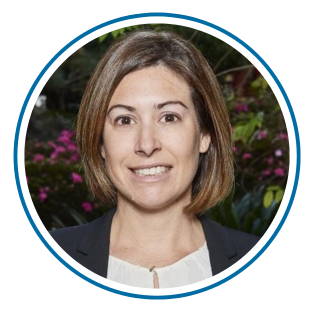
Dr Pride is a Clinical Neuropsychologist and the Leader of the Neuropsychology Research Team at the Kids Neuroscience Centre at The Children’s Hospital at Westmead in Sydney.
She has received a new research award from the US to study sleep problems in children with NF1. Her work looks at what causes these sleep issues, how they affect thinking and mental health, and how to create tools to help families manage them.
Why is sleep such a problem for children with NF1?
Earlier research from 2013 in the US found that over half of children with NF1 had sleep issues reported by their parents. More recent studies, including one from 2021 using fruit flies, showed that the NF1 gene plays an important role in controlling the body’s sleep and wake cycle. Despite this, there hasn’t been much research on how NF1 affects sleep.
What research is being done on sleep in Australia?
Dr Pride and her team of neuropsychologists and sleep experts are studying sleep in children with NF1. Their project, called the NF1 Paediatric Sleep Study aims to understand what kinds of sleep problems these children have and how poor sleep affects their thinking, behaviour, and overall quality of life.
So far, more than 100 children aged 6–16 with NF1 have taken part in the study. Their results were compared to those of children without NF1. Each child completed detailed sleep and medical questionnaires, took part in thinking and behaviour tests, kept a sleep diary, and wore a small activity tracker for a week to monitor sleep and movement. Urine samples were also tested to check melatonin levels — the hormone that helps control sleep.
How common are sleep issues in children with NF1?
The study found that sleep problems were common. Over half of the children had poor sleep quality, restlessness, or trouble falling asleep, while about 20% had night waking's, headaches in the morning, or nightmares. Many children were also more likely to have insomnia. Overall, about two-thirds of children with NF1 had significant sleep difficulties, showing this is a common but often overlooked problem.
What types of sleep problems were identified?
Researchers identified four main sleep patterns among children with NF1:
1. Trouble falling asleep.
2. Falling asleep quickly but having restless sleep.
3. Typical sleepers with few problems.
4. General sleep issues affecting multiple areas.
The study also found that children with NF1 slept less, had more irregular sleep patterns and had lower melatonin levels compared to children without NF1, which might mean they produce less melatonin or that the hormone is released at the wrong times. The causes of sleep problems in NF1however are likely a mix of biological, psychological, and social factors with sleep disturbance found to be associated with elevated discomfort (e.g. pain or itch), autism, ADHD, and poor sleep habits.
Good sleep is vital for healthy brain development. Poor sleep can affect learning, behaviour, emotions, daily life, family relationships, and mental health. Dr Pride’s findings help raise awareness about sleep problems in children with NF1 and provide a foundation for future research. Her ongoing project, the REST NF1 Intervention, is now exploring how parent-led strategies can help improve sleep in these children.
So what now?
Dr Pride is currently working with the CTF Support Services Team on an Information Package for parents about sleep issues. She is also about to embark on the design of a Sleep Intervention Program so watch this space! Please contact support@ctf.org.au for further information.
You can read more about Dr Natalie Pride and her research at the "Get to know Australian NF Researchers" Interview here.
If you would like to read the scientific version of this summary for Health Care professionals, you can view that here.
Share this article