Home / Living with NF / NF for Teens
NF for teens
Understanding your NF
As a teenager, you are probably starting to ask a lot more questions about your NF. So, we’ve compiled answers to the “Who, What, Where, When, Why and How” questions you may have.
What is NF?
NF refers to a group of complex genetic conditions that causes tumours to grow on the nerve cells throughout the body.
Why do I have it?
NF is caused by a change in your genes. It may have been inherited or it may have been caused by an unexpected gene change. We can think of genes as being the chemical instructions that tell our cells (our body’s building blocks) what to do.
Who else has it?
NF does not discriminate. It can affect anyone regardless of age, ethnicity, gender or family history. More than 13,000 Australians have NF and over 4 million people worldwide.
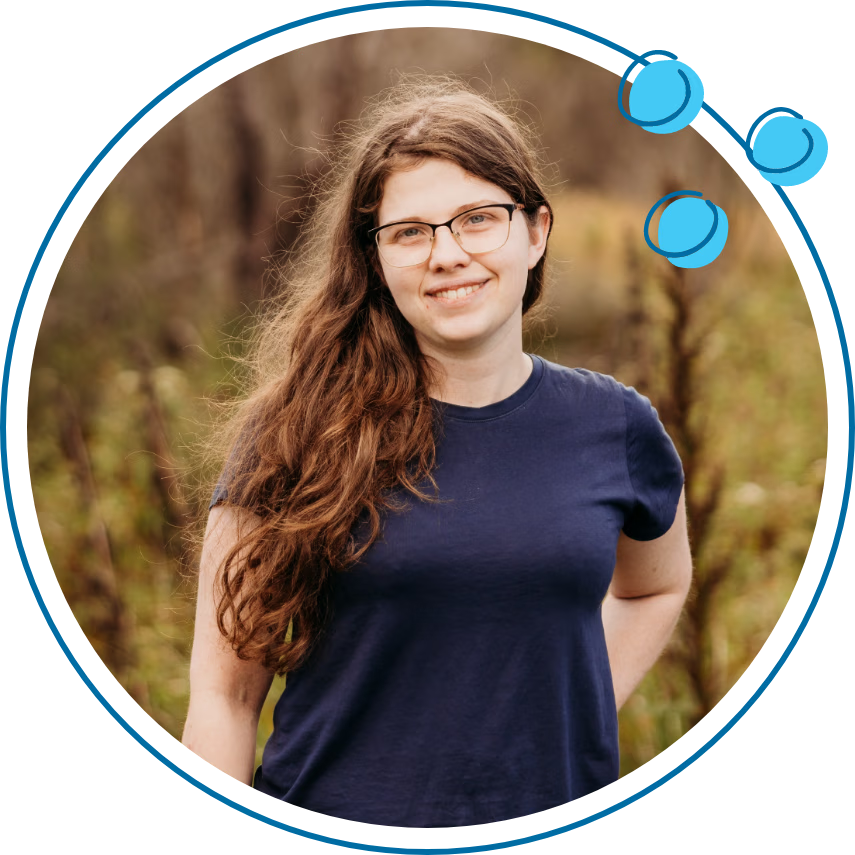
My parents took me to the doctors but it was passed off as, "she needs to have her eyes checked, shes just a clumsy kid, she has difficulty learning, cute birthmarks!". No one in my family has NF so it was never even discussed - we, like most other people, had no idea NF even existed.
— Jordan, diagnosed at age 15
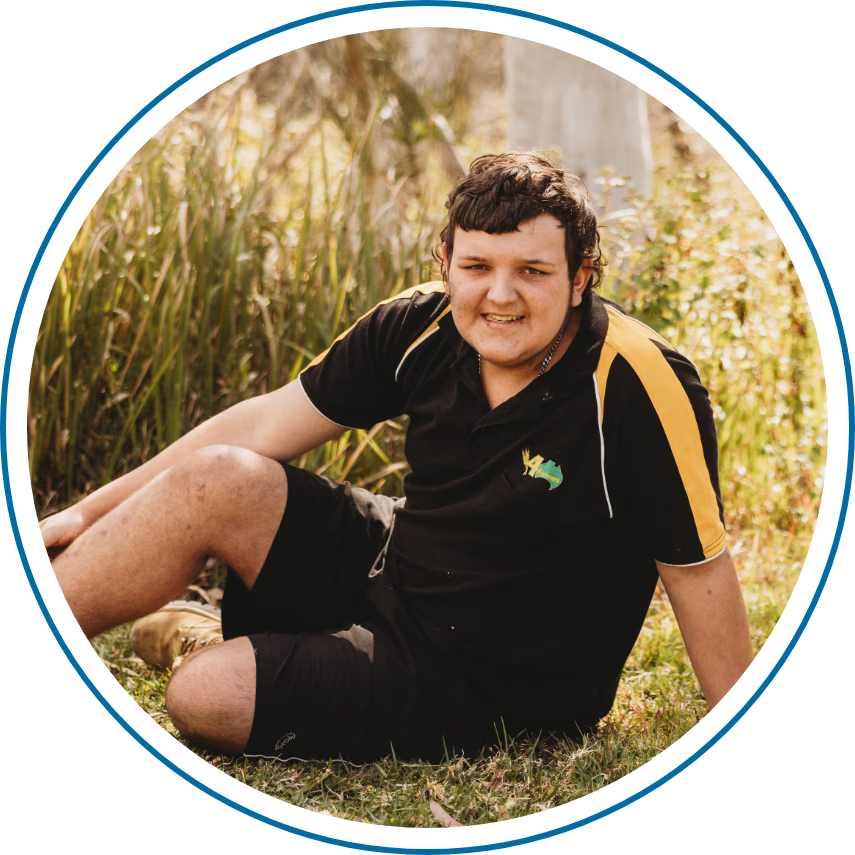
What started as a general eye test, led to an Ophthalmologist confirming I had Neurofibromatosis. This was the first time I had heard this word, and it was devastating as there was no history of NF in the family.
— Isabelle, diagnosed at age 16
Noticing changes in your body
The specific things you will need to think about as you head through high school and your teenage years will differ depending on whether you have NF1 or NF2. Let’s break it down!
If you experience any of the following changes, start by letting your parents know or get in touch with your doctor.
NF1
- An increase in size of an NF tumour
- A change in texture of an NF tumour
- Itching in one area, or everywhere
- Vision changes
- Numbness or tingling that doesn’t stop for a couple of days or keeps coming back
- If you have any questions about your NF
NF2
- New and ongoing pain or pain that keeps coming back
- Tingling, numbness, weakness
- A change in vision
- A change in hearing
- Any other change in function you are concerned about
- If you have any questions about your NF
Monitoring your NF
You’re getting to an age where you will no longer be considered a paediatric patient, and you will have to integrate into the adult hospital system. This may seem quite daunting at first, but taking small steps toward independence is a good thing.
Link with your local transitioning service
Most paediatric hospitals will have a Transition Service. Once you turn 16, you are normally able to join up, so remember to ask about this next time you are at a routine check-up.
Connect with our support team
Our support team is here to answer any questions you may have, or if you just want someone to talk to who “gets it”.
Connect with others
From camps to community days, our BF group or online connect sessions, there are plenty of opportunities to meet others sharing a similar lived experience to you.
Remember, there are always services available if you need help right now.




Need further support?
Our Support Team is available Monday-Friday, 9am-5pm. Request a call back to book a time.
Call our helpline on 02 9713 6111 or email our support team on support@ctf.org.au