Neurofibromatosis in early adulthood: A brief guide - Patients and Carers
November 27, 2025
NF Clinical Symposium Research Summarised
For Patients and Carers
The information provided below is a summary of the presentation titled 'Neurofibromatosis in early adulthood-A brief guide' given by Kylie Clark on 4th August 2025 at the NF Clinical Symposium in Sydney.
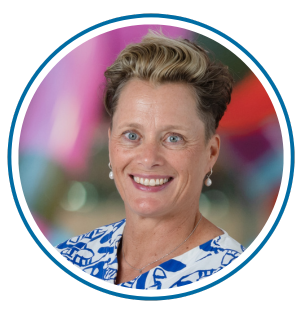
Mrs Kylie Clark is a Clinical Nurse Consultant who coordinates the multidisciplinary NF Clinic at The Royal Children’s Hospital (RCH) in Melbourne. Kylie is a paediatric nurse who manages the care of hundreds of young people living with NF. She delivered a well-received presentation at the recent NF-Clinical Symposium in Sydney, where she shared her insights into the challenge teenagers with NF face when growing up and maturing in life, and how NF-specialists can show support.
What is the extra challenge for a teenager with NF?
Developing into adults is hard enough for any teenager, but for those with NF additional issues pop up creating stress. Significant challenges for teenagers with NF can go well beyond what life normally throws at young adolescents: tumour risk, cosmetic stress, cognitive challenges and reproduction. And all this while facing the unavoidable transitioning from paediatric to adult hospital care.
The NF-Transition Program: a win-win for patients and their health carers
A specialised NF-Transition Program has been developed and introduced at RCH. This specialised program starts at the age of 16 to guide and prepare young patients for a big change in medical care at 18 years of age.
On the one hand, it allows time to pay attention to the issues teenage patients with NF may struggle with during this typically tricky time while growing up. On the other hand, it guides their clinicians and health carers on how to provide this essential support.
What difference can a NF-Transition Program make for teenagers with NF?
It encourages young people with NF to better understand their medical condition and to take responsibility for their lifelong care. This helps the changeover from the paediatric to adult health care system enormously when the time comes.
How do the medical professionals benefit from the program?
Kylie pointed out that it is the role of clinicians and health practitioners of patients with NF, ‘to monitor, educate, empower and refer their patients so that they maintain their best quality of life’. The NF-Transition Program guides health professionals to meet these responsibilities as follows:
Monitor: Clinicians are recommended to schedule yearly health reviews to support adolescents with NF in taking charge of their medical needs.
Automated reminders via hospital Apps, phone, email or post can further help young patients to develop the necessary organisational skills to attend health appointments in the future.
Educate & Empower: Clinicians are stimulated to strengthen the confidence of young adults with NF by reiterating how important it is for them to monitor their medical condition.
For example, think of fast growing neurofibromas and for young women to undergo breast screening because of the greater risk of developing malignant peripheral nerve sheath tumours (MPNST) or breast cancer.
Refer: Various specialised care and support services are available for NF-patients and timely referrals by their clinical specialists can reduce the psychological burden of growing into adulthood on young people with NF.
To mention a few: plastic surgery for cosmetic correction of neurofibromas, psychological services for establishing mental health plans and genetic counselling for those considering family planning,
Why is it good to hear about this new program!
Young people with NF and their families should know that initiatives like this NF-Transition Program at RCH are in place to better understand the complexities of growing into adulthood with NF and help.
Note also that the program recognises the value of sharing experiences with peers and refers to the opportunity to attend CTF-Australia’s monthly ‘NF Connect’ meetings online. You are welcome to join us.
Share this article