Get to know NF Researchers in Australia - Dr Alexandra O'Donohue
August 17, 2026
Get to Know NF Researchers in Australia
A series of interviews with speakers at the 2026 NF Conference (USA)
Dr Alexandra O’Donohue
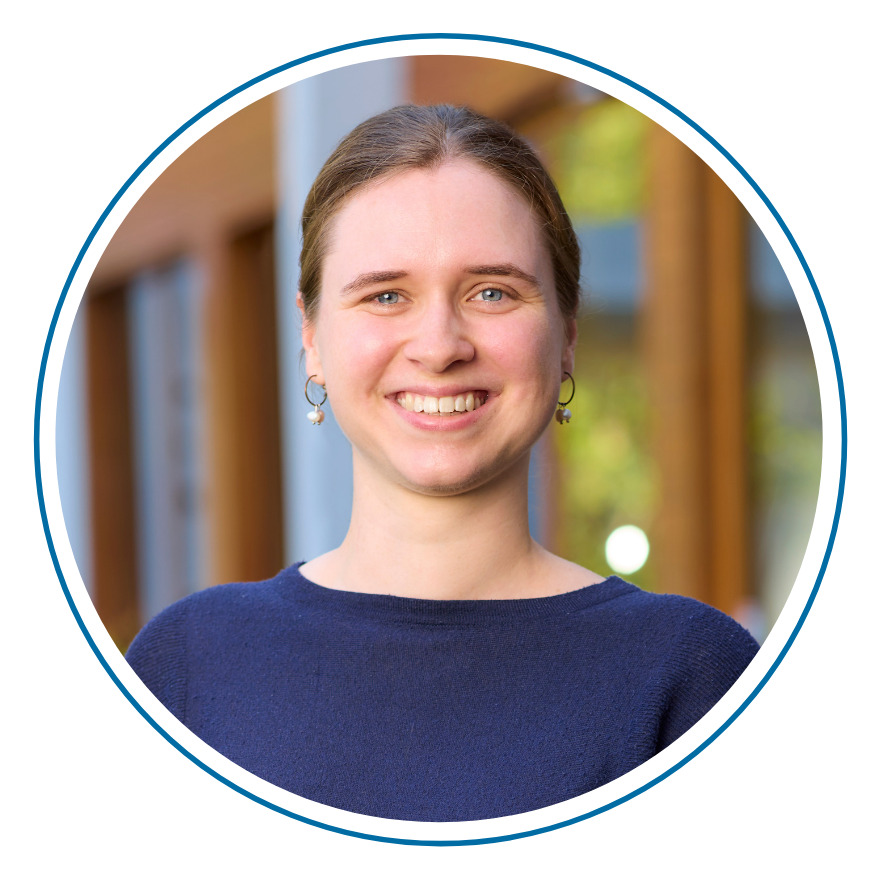
CTF Australia welcomes Dr Alexandra O’Donohue to our NF community. Dr O’Donohue is a Postdoctoral Research Fellow in the Bioengineering & Molecular Medicine Laboratory at the University of Sydney, located at The Westmead Institute for Medical Research and The Children’s Hospital at Westmead in Sydney.
She currently leads a team to develop gene therapy to prevent NF2-associated vestibular schwannomas. She also has a research interest in bone complications as part of musculoskeletal issues in patients with NF1.
You can read more about her research here in a separate post by CTF Australia on her recent presentations at the NF Conference 2026. We thank Alex for this related interview and the opportunity to read what inspires her to help patients with NF and their families.
“Research is advancing rapidly ….ultimately, I would like to see therapies that address the underlying causes of the disease rather than simply managing its effects.”
What is your current NF research focus?
My current research focus is on developing a gene therapy for NF2-related Schwannomatosis (NF2-SWN). In simple terms, this means creating advanced genetic editing tools to correct the genetic "errors", or mutations, found in people with NF2-SWN. A gene therapy would address the root cause of the disorder, helping to prevent or reduce future tumour burden.
How did you become interested in NF?
I began exploring the world of NF when I started my postdoctoral research studies with A/Prof Aaron Schindeler. I had already heard about the condition, as one of the PhD students in our group was working on an NF1 musculoskeletal project. Both she and Aaron often spoke about the NF community here in Australia and overseas, and the strong connections between patients and families, clinicians, and researchers. When the opportunity arose to join an NF project, I jumped at it and have been involved ever since.
Is it important for NF researchers to have an annual international scientific conference focussed specifically on NF?
International conferences, especially those such as the Children's Tumor Foundation's annual NF Conference in the United States, are absolutely critical for researchers. As a researcher, I love learning, and conferences provide the ideal opportunity to do so. Whether it is by listening to emerging work in the field or by speaking with other researchers who have mastered a technique I need, these interactions are invaluable. Conferences are a true "hot pot" of new ideas, experiences, and collaborations.
This year, you travelled to the United States to attend the 2026 NF Conference. How significant is it to share and discuss your work with other experts in person?
This year, I was very honoured to be invited to speak in several sessions at the 2026 NF Conference. The first was Young Investigator Day, where I shared my NF2-SWN research. At the main conference, I also presented in the inaugural Altered Metabolism session. There, I shared findings from our NF1 bone porosity research, which builds on our previous L-carnitine studies focused on reversing muscle lipid accumulation.
You are a recipient of the 2025 Young Investigator Award and you also attended the conference’s Young Investigator Day this year. Would you like to share with us what that day meant to you?
The Young Investigator Day is one of my favourite parts of the NF Conference, and I would encourage any PhD student, clinical trainee, or postdoctoral researcher to sign up next year. This satellite program is specifically designed for early-career researchers and aims to support the development of a career in NF research. There are usually around 50 attendees from all over the world, along with a further 8-10 senior mentors who help plan the day and contribute to career advice panels and workshops.
While not directly linked to the award program, the Young Investigator Day is also a great opportunity for anyone considering applying for a Young Investigator Award. It provides a chance to discuss ideas, seek feedback, and ask for advice. Everyone is very open, and willing to share their experiences.
What was your overall impression of the 2026 NF Conference?
I had a great time at the 2026 NF Conference in Denver. It was wonderful to see new sessions, including the Altered Metabolism and Sleep Disorders sessions, incorporated into the main conference program. Many researchers, including several from Australia, have championed these topics, and it was encouraging to see them given greater prominence. The conference also helped strengthen many of my existing collaborations and sparked new ones, which will expand and enhance our research efforts. I am already looking forward to the conference in Chicago in 2027.
What would be your wish for the future of NF patients?
My wish for the future of NF patients is that we continue to discover and develop effective long-term treatments for all forms of NF. Research is advancing rapidly, and I hope this momentum translates into more treatment options, better outcomes, and an improved quality of life for people living with NF. Ultimately, I would like to see therapies that address the underlying causes of the disease rather than simply managing its effects.
This article was written by
Anke van Eekelen
Research volunteer
Share this article