Get to know NF Researchers in Australia - Dr Natalie Pride
February 15, 2026
Get to Know NF Researchers in Australia
A series of interviews with speakers at the NF Clinical Symposium 2025
Dr Natalie Pride, MPsych, PhD
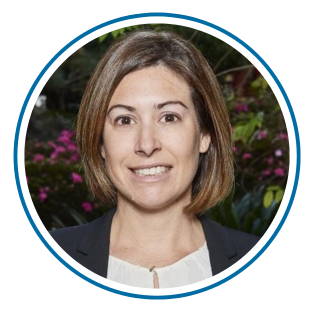
CTF Australia welcomes the opportunity to introduce Dr Natalie Pride to our NF community. Dr Pride leads the neuropsychology research program at the Kids Neuroscience Centre at The Children’s Hospital at Westmead in Sydney. She is a clinical neuropsychologist with a special interest in sleep. Good sleep is important during child development and Dr Pride’s research highlights the need for greater recognition and understanding of sleep difficulties seen in children with NF1.
You can read more about the NF1 Paediatric Sleep Study in a post by CTF Australia on her presentation at the NF Clinical Symposium in 2025. We thank Natalie for this related interview to be able to read what inspires her to help children with NF1 and their families.
“There is growing national and international interest in the links between sleep and cognition in NF1”
What does a clinical neuropsychologist do in the hospital?
A clinical neuropsychologist is a specialist who assesses how changes to the brain affects a child’s thinking skills, including attention and memory. In children with conditions like NF1, they help identify how the condition is impacting cognitive, emotional, and behavioural functioning. Using detailed assessments, they provide tailored recommendations to support a child’s development at home and school.
How did you become interested in NF?
I was drawn to NF1 almost 17 years ago now because it is a condition that impacts a diverse range of areas – cognition, learning, social functioning, emotions. In my clinical work at the Children’s Hospital at Westmead, I observed that families were dealing with these complex challenges yet at the time they were not well understood. That motivated me to focus my research on understanding brain-behaviour links in NF1 and findings way to improve the everyday lives of children with NF1.
What are you researching at the moment?
I’m especially interested in how and why sleep disturbance relates to these areas and how we can develop targeted interventions to improve sleep and quality of life not just for children with NF1, but their whole family. My current research focuses on understanding how sleep and circadian rhythms affect cognition, mental health and quality of life in children with NF1.
What is the biggest challenge for you? Can you explain the issues you are facing in your research study?
One of the biggest challenges in my research is the time is takes to collect large, high quality datasets involving children with NF1. Large datasets are needed so we can represent the diverse profiles in NF1 and have enough children to conduct the statistical analyses to answer our questions. It takes a lot of time and effort from both families and clinicians to capture the full picture of their sleep, cognition and day-to-day functioning. As such, recruitment can be slow. What I have learnt though, is that collaboration is essential and we are lucky that we are able to work with other Australian and international institutions so we can pool data, share insights and move the field forward more efficiently.
Are other researchers (in Australia and beyond) also interested in your research focus and do you work together?
Yes, there is growing national and international interest in the links between sleep and cognition in NF1. In Australia, we have a strong and ongoing collaboration with Associate Professor Jonathan Payne’s team at the Murdoch Children’s Research Institute in Melbourne. We are working together to build large datasets to understand the relationship between sleep and cognition in NF1.
Internationally, I am currently supported as a Francis S. Collins Scholar through the Neurofibromatosis Therapeutic Acceleration Program (NTAP) at Johns Hopkins University, which has opened up opportunities to collaborate with leading US researchers in NF1 which will be important when we evaluate interventions for sleep in NF1 through large scale clinical trials.
Have you been able to publish your work to share your findings?
Yes. Our first publication on sleep in NF1 has been published in “Sleep”, a top scientific journal in the circadian and sleep field. I’m excited that we are now at the point where we can share what we have learnt which I believe will lead to better understanding and support for children with NF1 and their families.
What would you like to see happen for NF patients?
I would like to see earlier recognition and management of the challenges patients with NF1 face beyond the physical manifestations. This includes the integration of sleep assessment into routine care which may enable earlier, targeted interventions.
Funding information: This work was supported by The U.S. Army Medical Research Material Command and Johns Hopkins University (JHU) via the Neurofibromatosis Therapeutic Acceleration Program with funds provided by a Grant Agreement from Bloomberg Philanthropies. Opinions, interpretations, conclusions and recommendations are those of the interviewee and are not necessarily endorsed by The U.S. Army, Bloomberg Philanthropies or JHU
You can read a summary of Dr Pride’s presentation titled ‘Sleep Problems and Circadian Rhythm Disruption in Children with Neurofibromatosis Type 1-Evidence from Actigraphy and Nocturnal Melatonin’ aimed at Patients and Carers here.
Or you can read a summary of Dr Pride’s presentation with more scientific detail aimed at Health Care Professionals here.
Thank you to Dr Natalie Pride for taking the time to answer these questions and to give us an insight into the work she is currently doing.
Thank you also to our wonderful volunteers, Anke van Eekelen and Alexa Brown for conducting these interviews and helping to summarise the research and presentations from the 2025 NF Clinical Symposium.
Share this article