Exploring NF1-patient specific processes of brain development using their own unique stem cells - Patients and Carers
November 27, 2025
NF Clinical Symposium Research Summarised
For Patients and Carers
The information provided below is a summary of the presentation titled 'Modelling the neurodevelopmental phenotype of NF1 using patient-derived stem cells' given by Dr Kiymet Bozaoglu on 4th August 2025 at the NF Clinical Symposium in Sydney.
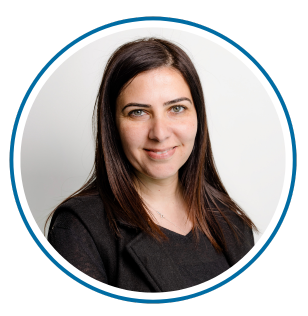
Dr Bozaoglu is a research scientist and the project’s team leader in the Neurogenetics Laboratory at the Murdoch Children’s Research Institute in Melbourne. She is an expert in using molecular biology to study the genetic basis of the condition and the flow-on effect of a reduced availability of the NF1-protein on the formation of neuronal pathways during embryonic brain development.
Why focus on brain development?
Children with NF1 are known to be at risk of a range of learning and cognitive impairments, but what biological mechanisms at the molecular level drive atypical neurodevelopmental outcomes in NF1 remains unclear. Instead of further improving therapeutic options to manage the symptoms of neurodevelopmental challenges in children with NF1, Dr Bozaoglu concentrates her research efforts on the origin of the problem during the earliest phase of brain cell development.
How can you study the development of brain cells?
Together with her colleagues, she has succeeded in setting up an in vitro cell culture model in which stem cells can be stimulated to grow into brain specific cortical neurons in a dish, either as a 2D cell layer or a 3D cluster of cells called organoids.
Where do the stem cells come from?
The stem cells are generated from a blood sample collected from individual people with NF1 during a visit to the clinic. This explains why the research model is called a patient-derived stem cell model. By working with stem cell cultures specific for each patient, it is possible to investigate unique patient-specific ways of how their stem cells grow into cortical neurons as a result of the specific NF1-mutant gene variant they have.
What can we learn from this research approach?
This patient-derived stem cell model offers a new approach to correlate the genotype of an NF1-patient with the first stages of differentiation of stem cells into neurons. Dr Bozaoglu is particularly interested in how neuronal growth and function are disrupted, what the consequences are for neuronal signalling and connectivity as part of brain development overall, and what impact this may have on the formation of functional brain pathways required for learning, cognition and behaviour.
Why does this research matter?
The availability of the developing cells per patient in a dish permits the use of a range of molecular and cellular biology tests otherwise unthinkable. In medical research terms the stem cell model is referred to as a preclinical model with the potential to achieve a deeper understanding of the genetically driven brain processes related to specific mutations in the NF1-gene.
Where to from here?
For now, this research presents a promising new step forward to shed light on what pathogenic features of brain development in NF1 may impact neurodevelopmental outcomes in later life. But in time, being able to study patient-specific differences in brain biology may assist personalised therapeutic strategies for NF1-patients with diverse neuropsychological profiles, and therefore likely facing different learning, cognitive and behavioural challenges.
Share this article