Get to know NF Researchers in Australia - Dr Yemima Berman
September 27, 2026
Get to Know NF Researchers in Australia
A series of interviews with speakers at the 2026 NF Conference (USA)
Dr Yemima Berman
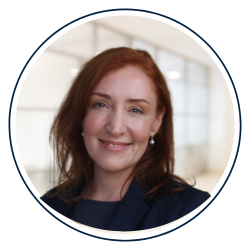
CTF Australia is delighted to introduce Dr Yemima Berman to our NF community. She is well known within the NF specialist community in Australia and a long term supporter of CTF in Australia.
Dr Berman is a Clinical Associate Professor and Head of the Department of Clinical Genetics, including the Neurofibromatosis Clinic at Royal North Shore Hospital in Sydney.
She collaborates extensively with NF clinicians and researcher in the US and Europe. Attending the 2026 NF Conference in the US allowed her to meet overseas experts and hear about the latest progress in NF research.
We thank Dr Berman for this interview and the opportunity to read what inspires her to help patients with NF and their families.
“The annual NF conference in US creates an ideal platform to stay in touch with international research colleagues and collaborators.”
Can you describe your role in the NF Clinic at the Royal North Shore Hospital ?
We initially established the NF clinic in 2010 in order to provide a place for adults with NF to be cared for in NSW. At that time it was just myself and a genetic counsellor running the clinic. Over time, with the support of very generous donors, and, more recently our local health district, we have been able to build a team that now includes Clinical Geneticists, Neurologists, Dermatologists, Genetic Counsellors and a Nurse. We now see adults with complex NF from across NSW, and children with NF who live within the Northern Sydney Local Health District.
From a diagnostic perspective, children and adults can be referred to their local clinical genetics service for diagnosis by their GP, dermatologist or other specialist should there be any uncertainty about their diagnosis, however the diagnosis of NF can be made by other specialists.
How did you become interested in NF and what aspects of NF are researched by your team at the Royal North Shore Hospital ?
I first started caring for patients with NF when I was a trainee Clinical Geneticist at the Children's Hospital at Westmead. I had wonderful mentors who helped to build my interest in the breadth and complexity of NF care. Our research has historically been very clinical, focussed on trying to understand the health issues faced by people with NF and how to improve care.
More recently our research has started to include clinical trials to test new care interventions and research to improve our understanding of tumour biology, tumour management and possibly prevention in the future.
How important is the international NF conference for translation of knowledge into the clinic across the world and in Australia?
In the area of rare diseases, consensus on the value and application of new findings among clinical and research specialists often changes before new guidelines for better care are published, so hearing from other experts is very important in ensuring our patients are receiving up to date recommendations and therapies. The annual NF conference in US creates an ideal platform to stay in touch with international research colleagues and collaborators.
Can you tell us about your research collaborations with international NF researchers and how this benefits NF patients in Australia?
We have been incredibly lucky to have established collaborations with brilliant colleagues from many other centres in the US and Europe. We are collaborating with colleagues from Johns Hopkins University in Baltimore, US, and L’Hôpital Henri-Mondor in Créteil, France, to develop outcome measures for identifying, tracking and treating cutaneous neurofibromas. We are also part of a global effort exploring genetic factors that may predict the severity of skin manifestation of NF.
Research collaborations in rare diseases are particularly important as it can be hard for any one centre to have enough patients or enough diversity of expertise to find the answers to the research questions we are asking.
What was your overall impression of the 2026 NF Conference?
The conference offered a wide range of presentations delivered by expert speakers. A few talks stood out for me:
- New research findings from a study using an experimental NF1 mouse model revealed that KRAS inhibition may be better than MEK inhibition at shrinking plexiform neurofibromas.
- There was a whole new session dedicated to tumour immunology, its impaired microenvironment in NF and immunotherapy. There is a lot more work needed before this research would translate to new therapies for patients, but it is wonderful to see new avenues being explored.
Thank you for recommending a clinical research presentation at the conference, which the NF community may like to hear about? Why would this be of interest to them?
Dr Vanessa Merker, a health services researcher at Harvard University spoke about improving routine health surveillance for NF1 in primary care. Her presentation was focussed on how to close the gap in NF1 care and provide effective health care based on the latest recommendation and guidelines for all patients with NF, irrespective of where in the US they are and whether specialist clinicians or an NF-clinic is within reach. One interesting finding was that providing patient specific screening guidelines (tailored to gender and age) improved the likelihood of the correct surveillance being achieved.
There was also a lot of robust discussion and debate about how best to manage patients transitioning from paediatric to adult care. Dr Angela Hirbe from Washington University and Dr Tena Rosser from the Children’s Hospital in Los Angeles used imaginary patient cases to illustrate the benefits and barriers to effective transition of care in NF1 from the paediatric to the adult clinic. That is an area of particular importance to us, and it was interesting to hear similar issues, and some novel approaches from US clinicians. The importance of clinician to clinician discussions at transition from paediatric to adult care was particularly of interest, and is something we are focussing on improving now in our clinic.
What would be your wish for the future of NF patients?
My hope is that better therapies targeting a range of NF complications and concerns will become available to deliver improvements in the quality of life of patients living with NF.
This article was written by
Anke van Eekelen
Research volunteer
Share this article