NF Symposium 2025
August 12, 2025
2025 Neurofibromatosis clinical symposium
‘Bridging research and clinical impact’
A conference summary for the NF-community
This year’s NF Clinical Symposium built on the success of previous clinical conferences. On the 4th of August, more than 110 clinicians, neuropsychologists, specialist nurses, allied health practitioners and medical scientists with a strong interest in NF gathered at the Kolling Institute at the Royal North Shore Hospital (RNSH). Most were welcomed in person, while some tuned in online keen not to not miss a beat of the well-considered program. This type of day and the scientific thinking it brings together is important to fully understand the complex nature of NF. The diverse program enabled cross-collaboration and the dissemination of ideas between different disciplines and sectors of the healthcare and scientific community all while trying to facilitate better outcomes for every person with NF.
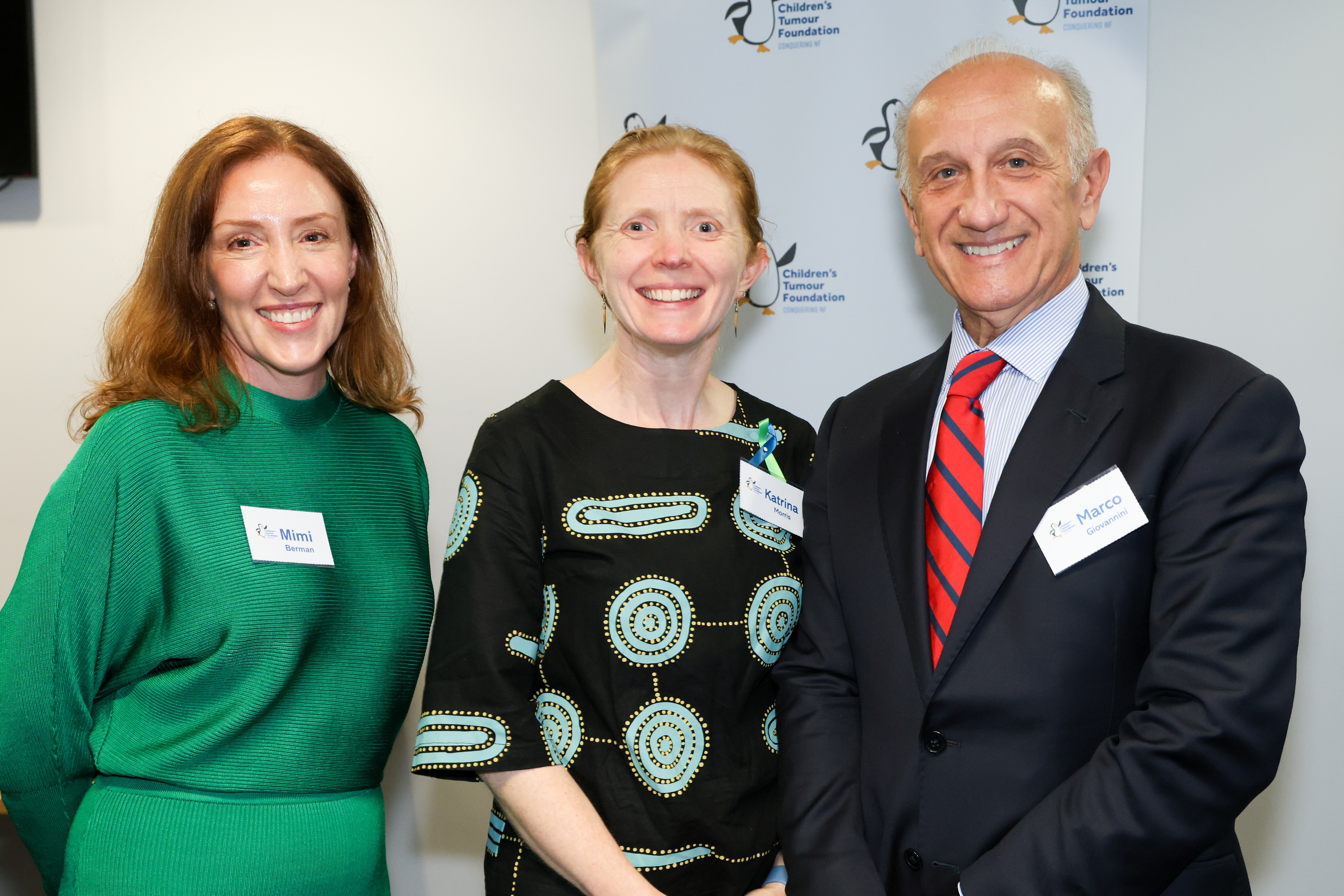
The symposium started with a special keynote presentation by Prof Marco Giovannini from the University of California Los Angeles (UCLA). He talked the audience through his scientific journey over many years to illustrate how helpful studying the biology of Schwannomatosis (SWN) in genetically manipulated animal models has been. His studies have paved the way for the development of new therapeutic options for individuals with specific genetic variation in NF2-related and non-NF2 related SWN.
In Australia, laboratory scientists are also undertaking exciting new high-tech approaches to investigate how the type and location of the mutation in the NF1 gene can have a significant impact on how the disease presents in different individuals. Patient-derived stem cells have been stimulated to grow and develop in 2D cell layers or even small clusters of brain cells, known as 3D organoids. The growth and function of these brain cells can then be used to model neurodevelopmental issues that can affect NF1 patients. Other initiatives include the establishment of a tumour repository for NF2-related SWN to allow the genetic and biological profiling of patient-derived samples and learn from differences in tumour growth despite genetic mutations in the same gene.
Other ongoing research is focused on the development of new tools for gene therapy. Here, inactivated virus particles are used as parcels for the delivery of human DNA fragments to replace mutated NF-genes. Whereas an interest in how various mutations in the NF1-gene alter the structure of the neurofibromin protein sheds light on how down the line within a nerve or tumour cell the process of cell proliferation can become dysfunctional. A case study with a new pathogenic NF1 gene duplication was also presented; a new NF1 variant picked up incidentally by an experienced clinical geneticist during prenatal screening.
To get a taste of current research addressing some of the challenges of living with NF, several projects are worth mentioning. The role of an NF clinical coordinator driving nurse led care appears beneficial to all parties interested in the wellbeing of NF patients. This is particularly evident for young patients transitioning from paediatric to adult care, who face the challenges of dealing with NF on top of being a teenager. Other research to investigate the impact of NF1 on daily life comes from neuropsychologists. Sleep is well-known to be closely correlated with cognitive and emotional functioning, and the influence of sleep problems and disruptions of a healthy day-night rhythm on neurobehaviour in children with NF1 is on the radar of NF experts in this discipline.
You may also be interested to hear that trialing of a remote microphone listening device used by primary school-aged children with NF1 will be expanded to further test its positive effect on improving the ability to discriminate sounds (like the voice of the teacher) in busy environments. Auditory processing difficulties are common in NF1. The hope is that the learning challenges that arise in noisy classrooms can be lessened.
Another study geared towards progress in specialist care is the NF Sure study, in which the experiences and needs of NF-patients planning to have children was explored. A follow-up study is in its early stages, this will further investigate hormonal impact on tumour development in NF1, a key concern among women with NF.
And you may be happily surprised to hear that a team of transdisciplinary implementation scientists is thinking ahead to envisage how the future will look for NF patients. The team aims big by working on an integrative national system that considers a broad array of challenges faced by individuals living with complex and life-long conditions like NF. It could lead to innovative solutions in patient care, management and treatment, which exceed options currently offered in the traditional healthcare system.
In the space of tumour diagnostics and imaging, clinical use of whole-body MRI (WBMRI) is being studied in young adults with NF1. This group is at a higher risk of plexiform neurofibromas becoming malignant tumours. The initial study findings showed improved identification of internal tumours otherwise difficult to detect, and overall satisfaction with the new procedure was high.
Another powerful tool for accurate detection of peripheral nerve sheet tumours in NF1 patients is quantitative diffusion-weighted imaging (DWI). Malignant transformation of peripheral nerve sheath tumours can be a devastating disease outcome, but improving early detection by DWI could allow for earlier and more effective treatment outcomes. Regarding news on NF1 treatment options, the very recent data availability of the MEK inhibitor (Trametinib) trial in Australia and New Zealand was discussed, with detailed analysis of its effectiveness in reducing tumour size among other primary outcomes in full swing now. The use a MEK inhibitors such as Selumetinib was also discussed, along with the fact that it is now available on the Pharmaceutical Benefits Scheme.
For many individuals with NF1, the appearance of cutaneous neurofibromas (cNF) on or under the skin is difficult to deal with. They can be surgically removed or ablated with laser treatment. Using photographs from before and 18 months after the procedure, patients seemed to be more positive than their doctor regarding the unavoidable scarring outcome. Further studies on the impact of disfigurement and cNF-treatment outcomes are progressing. They are based on collecting a range of data in the form of patient photos, therapeutic outcomes, clinical genetic information and other NF1-related patient specific information. AI tools are becoming indispensable for meaningful analysis of such large datasets. The NF1-Project aligns with this approach to discover what modifying influences at the genetic level determine the severity of cNF. Recruitment for this project is still in process.
All in all, it was ‘a day to stimulate collaborations, show progress and fuel new ideas to conquer NF’. A special thanks goes to Dr Katrina Morris, Program Lead and Symposium Chair. She facilitated a stimulating combination of presentations, illustrative of the many aspects of NF which require continuous attention by NF experts to improve the lives of their patients.
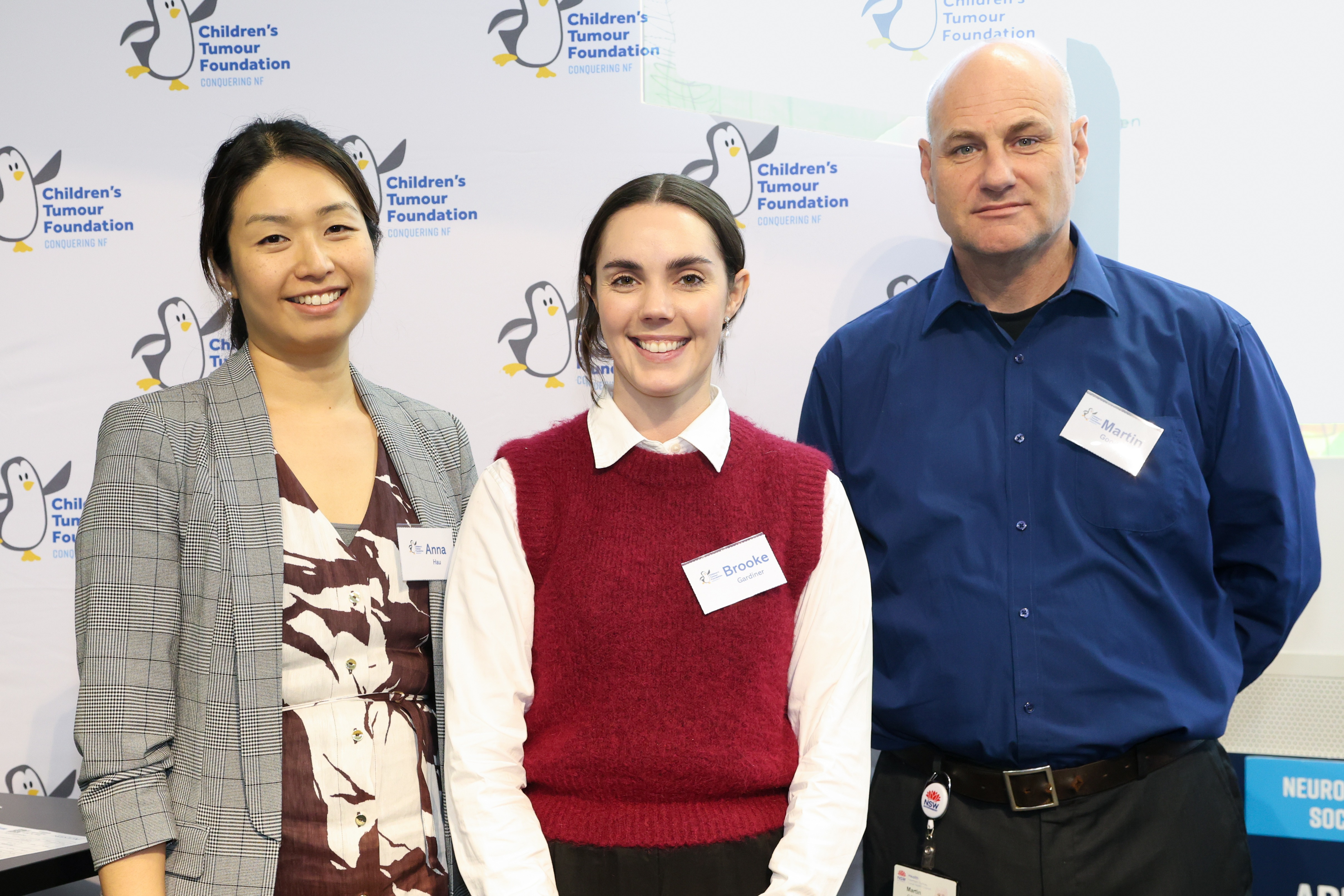
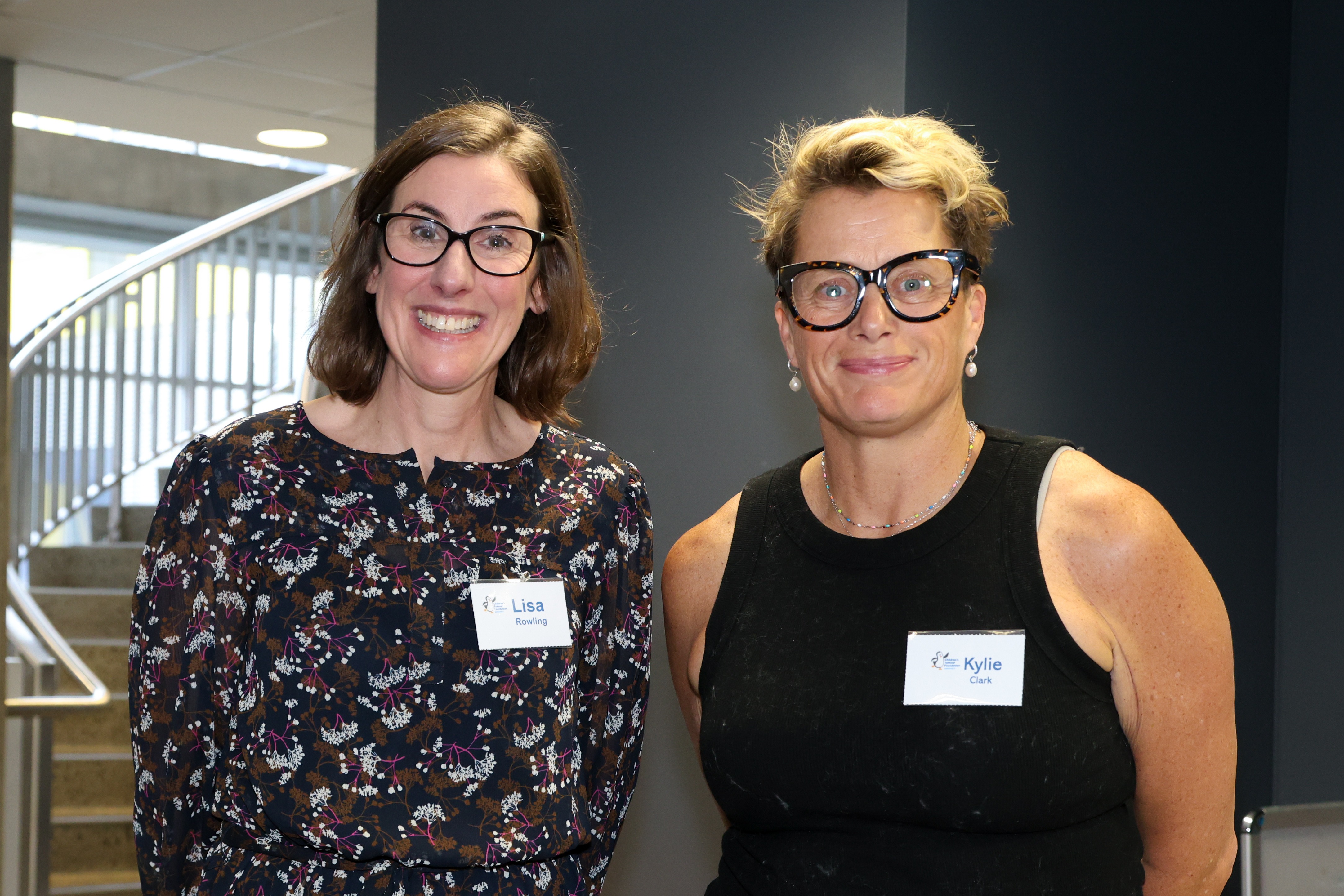
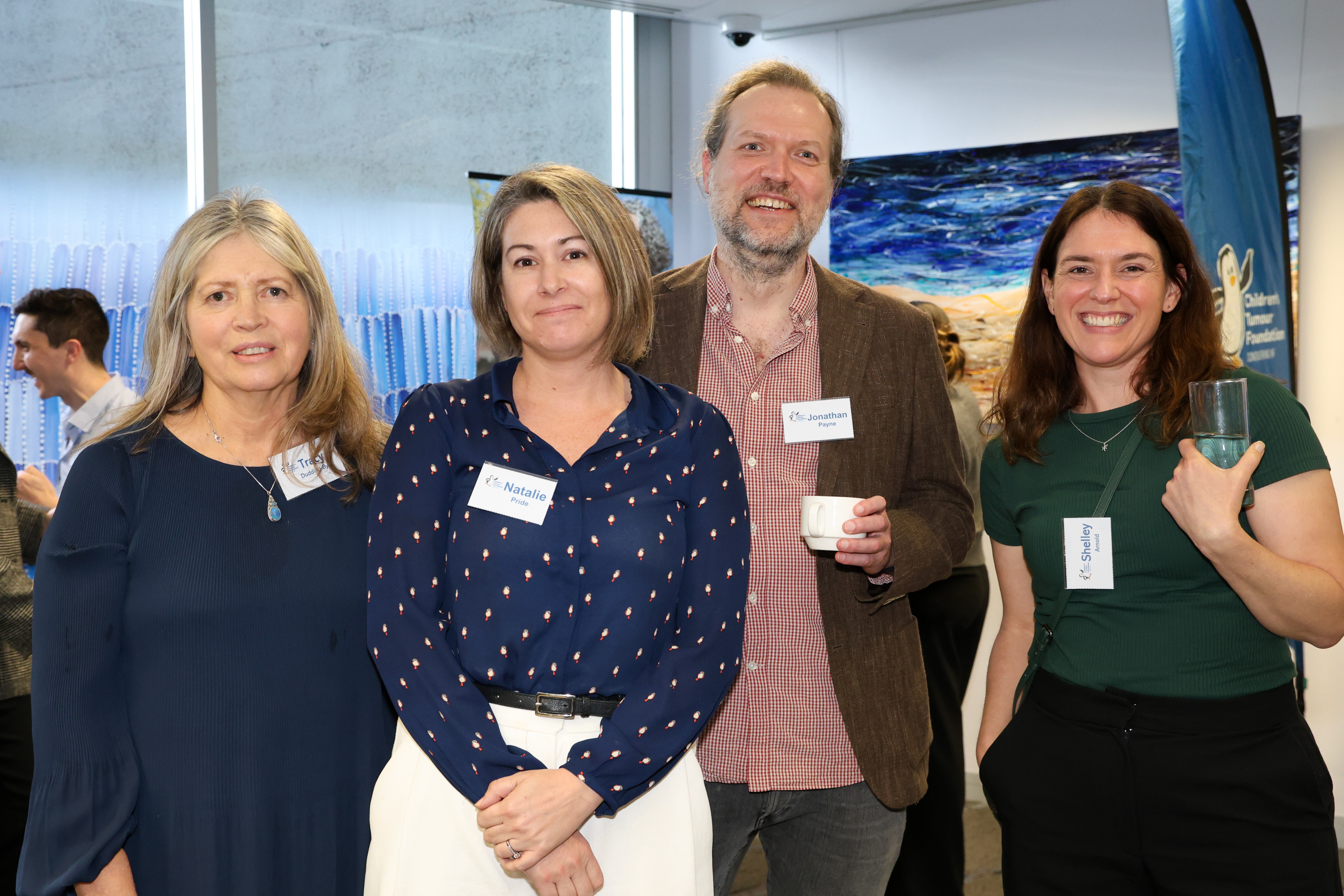
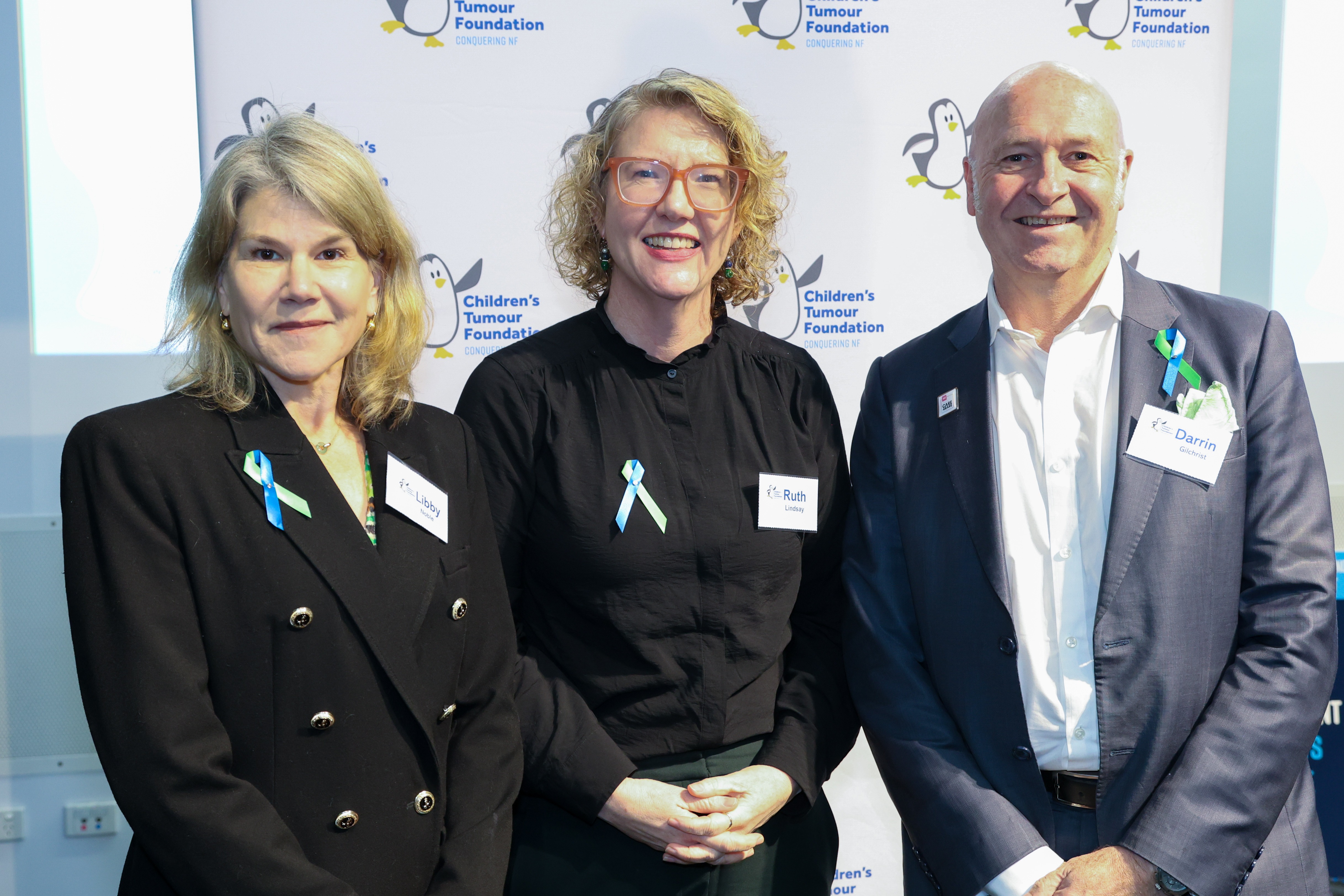
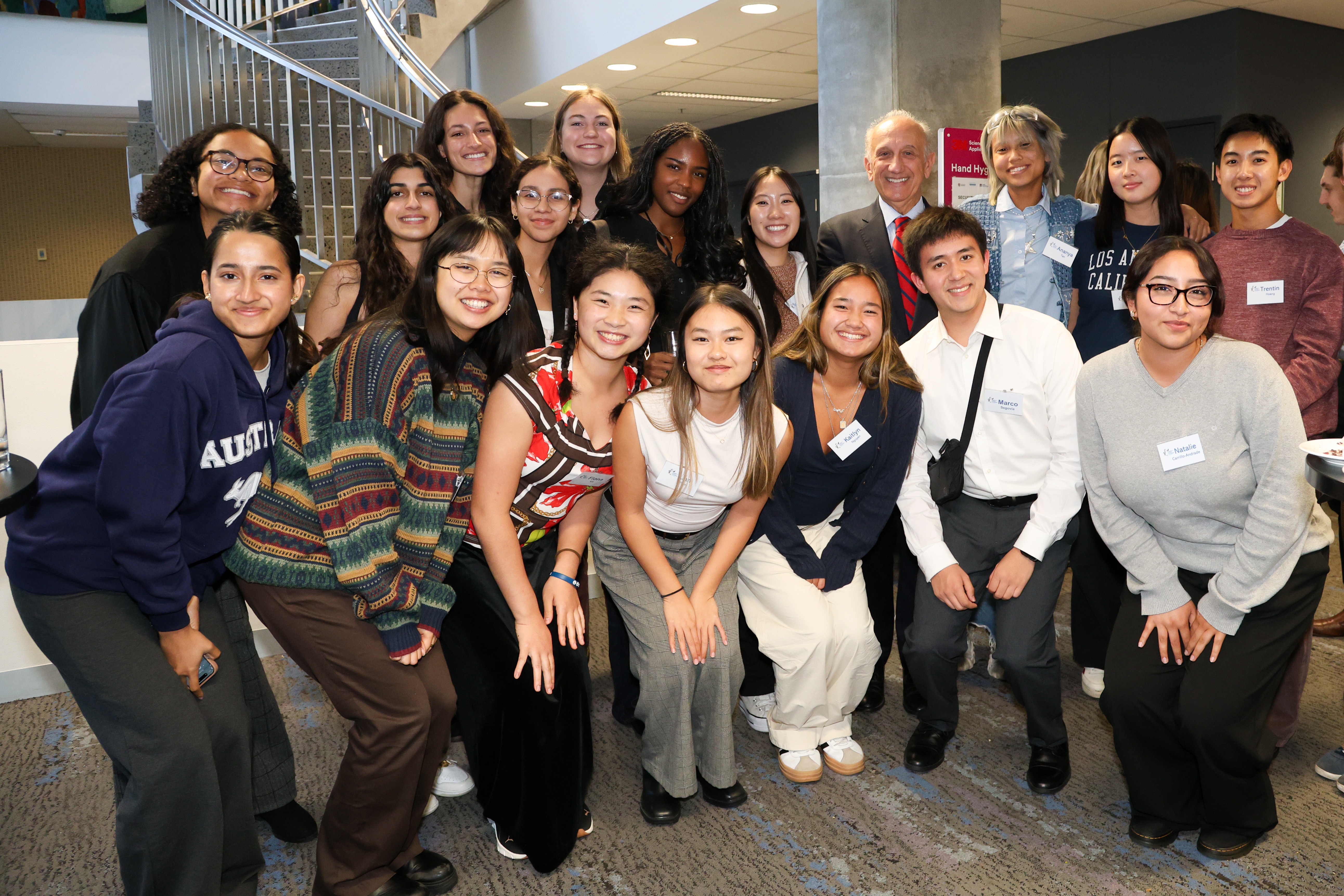
photos from the day
Share this article