Lily's story
Lily was about a year and a half old when her mum took her to the paediatrician. She was choking on food and eating poorly. The doctor found large tonsils and adenoids, then did a full body exam and noticed café au lait spots on her skin.
Lily’s mum, Ashlynne, had noticed the spots and taken them for birthmarks. The paediatrician mentioned a condition called neurofibromatosis and referred Lily to genetics, and to ENT about her tonsils.
The appointments crawled, with the family waiting more than a year for genetics. When Ashlynne fell pregnant with her second child, Ryder, the family pushed to hurry things along, and in February 2025, a month before he was born, the results arrived. Lily has neurofibromatosis type 1.
The diagnosis, which does not run in the family, tied everything together. The birthmarks, her small stature, eating difficulties and development delays.
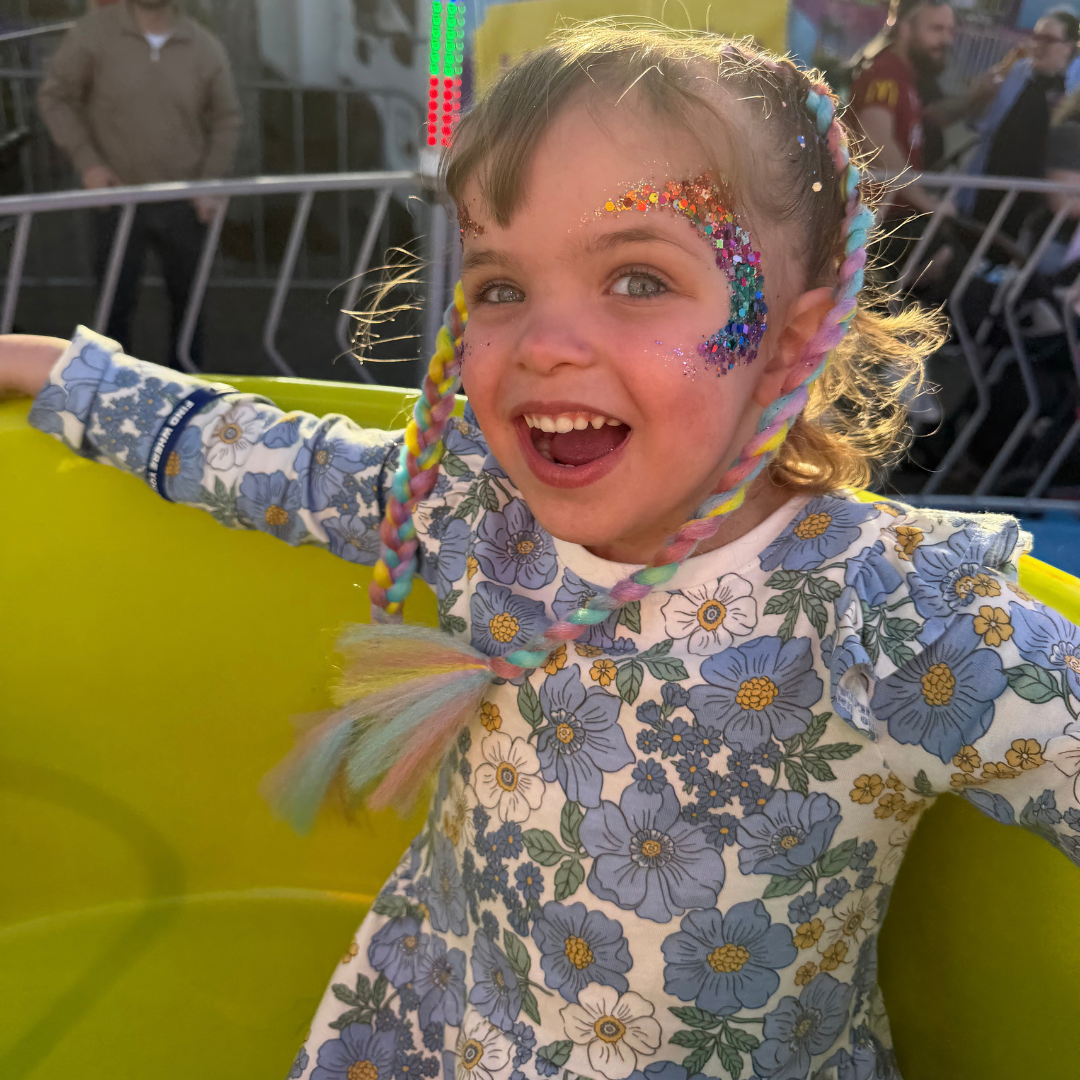
Lily had her first MRI in July 2025, at three and a half, and it found a tumour in her brain called an optic glioma, as well as another type of tumour in her neck, known as a plexiform neurofibroma.
Referrals to ophthalmology and oncology followed. The oncologist advised the only treatment for now would be to watch and wait, and monitor with an MRI every 3 months, under anaesthetic.
For now, these tumours are holding steady, and chemotherapy and MEK inhibitor tablets stay on the shelf while nothing grows, but regular monitoring is important.
An optic pathway glioma is a tumour on the nerve that carries signals from the eye to the brain. About one in five children with neurofibromatosis will experience once, and whilst many may not cause concern, it does have the potential to dim a child's sight or make an eye drift.
A plexiform neurofibroma tends to grow fastest in early childhood and again at puberty. Depending on where one sits, it can cause pain, weakness, or a change in how the body looks. In the neck, it can press on the airway or the food pipe and make breathing and swallowing harder.
Small neurofibromas also dot Lily’s neck, back and spine, but only the glioma and the plexiform concern the doctors for now. Neither causes her pain or slows her movement, but the tumour in her neck itches, and Lily scratches at it often.
A team of specialists are needed to support Lily, as neurofibromatosis is a complex condition. The list of people who look after her is long.
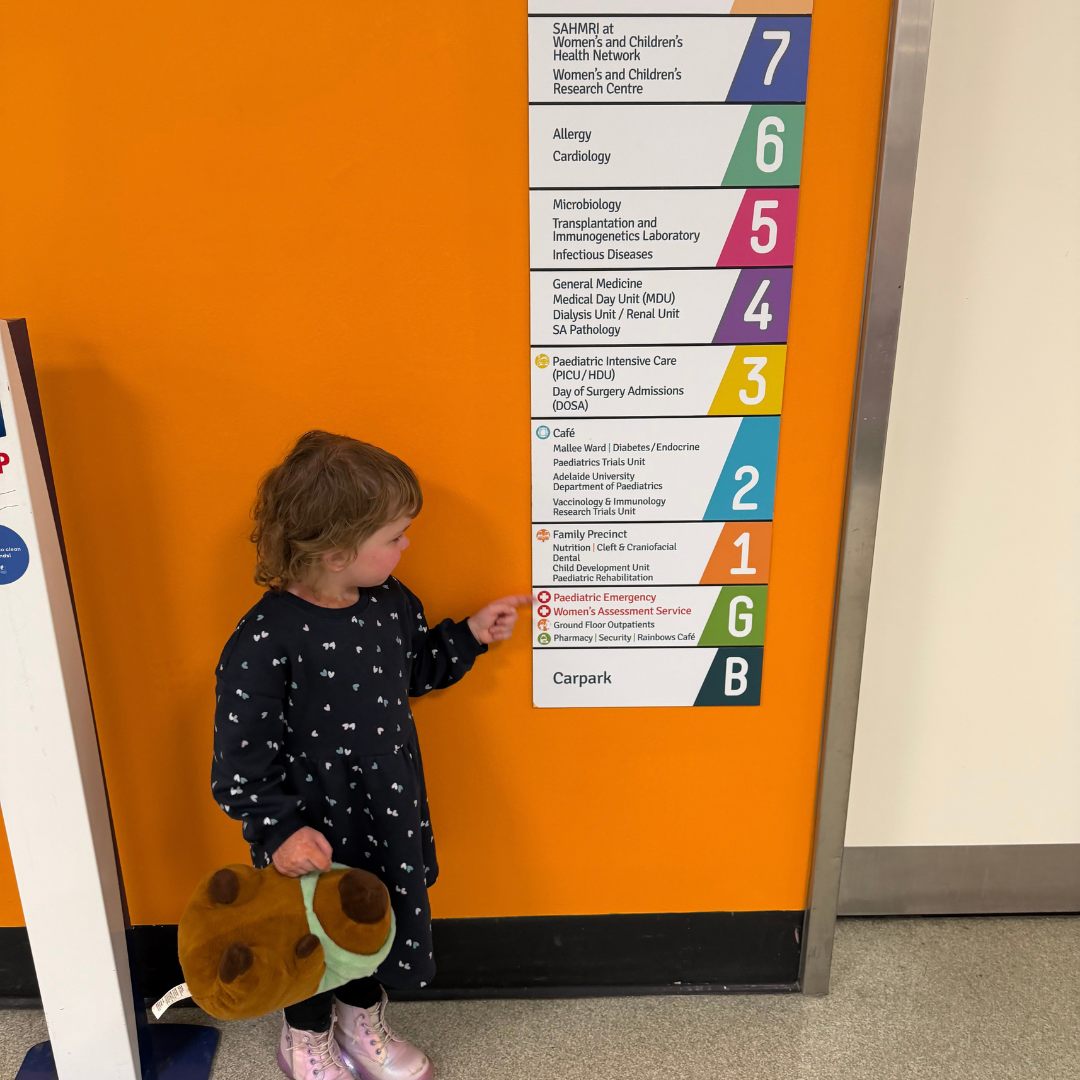
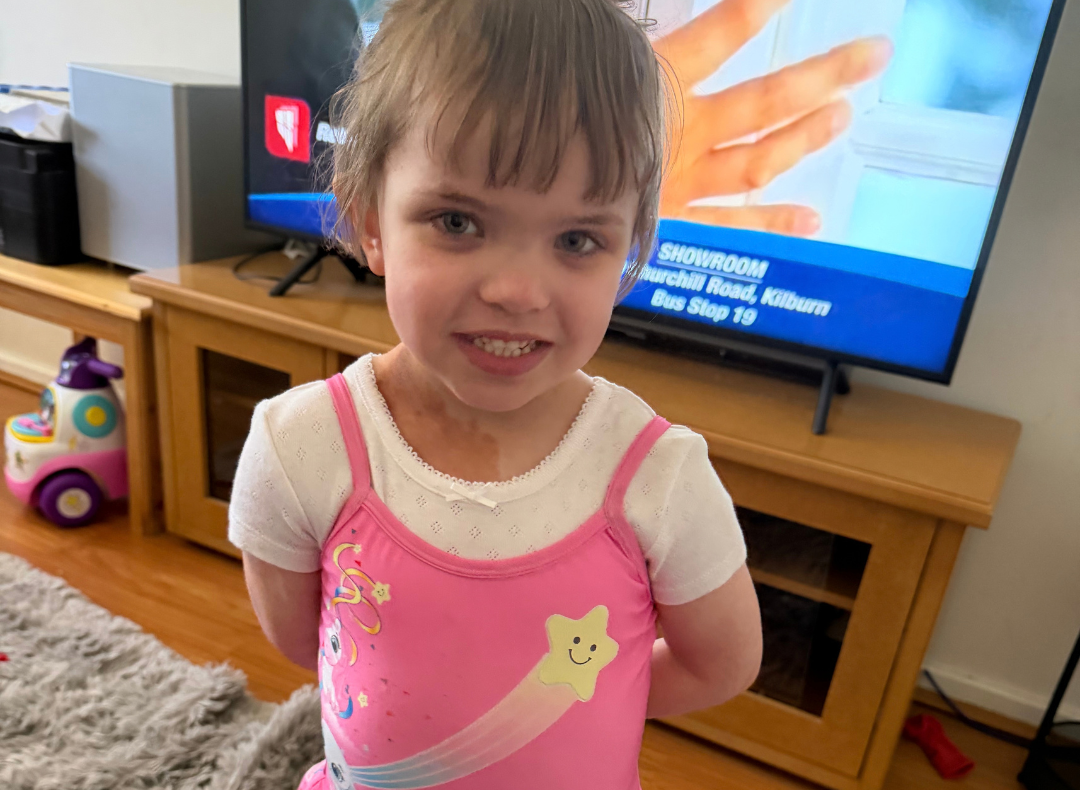
A paediatrician, an oncologist, an ophthalmologist and a dermatologist keep watch on her health. A dietician sorts out her eating, and a gastroenterologist addresses the eating challenges. A speech therapist, an occupational therapist and a physio, who sees her fortnightly, work on her development.
Lily tries to take it all in her stride but dislikes the eye tests.
She has a diagnosis of global developmental delay and receives NDIS support. She is not yet toilet trained, because she cannot tell when she is about to go. Her speech grows clearer with her therapist's help, though she barely jumps, moves slowly, and at four and a half now, still naps for two hours every day. An earlier sleep study found mild sleep apnoea, and in March she had her tonsils and adenoids out which has improved her eating and sleep a lot.
Her behaviour has grown harder lately. She digs in and refuses, and she sticks to a small list of plain foods. The OT's testing showed why: she has a sensory processing disorder. Mum suspects ADHD, which is very common in NF1, given how much energy Lily has when she is not exhausted.
Lily will start school next year, where mum knows the school will be supportive, but has concerns for her energy levels and ability to keep up with her peers in the classroom and playground.
Lily is cheeky and kind, and loves K-pop, Disney princesses and SpongeBob. On Saturdays she goes to dance class, where she has a few friends, and the whole room seems brighter with her in it.
Share this story