Esther and Archers' Story
I was 35 when I was diagnosed. My son, Archer, had just turned one.
For most of my life, I didn’t have a name for the little things that made me different. The birthmarks, the freckling in unusual places, the way my body sometimes felt like it wasn’t quite working the way it should. I grew up without any major health concerns, despite being clumsy, having hypermobility, low muscle tone, dyspraxia, and vision issues; I was mostly a healthy child and teen.
My parents, doctors, and I never suspected that there was something running through my DNA that could change everything.
That all shifted when my youngest child, Archer, was diagnosed with Neurofibromatosis Type 1 (NF1).
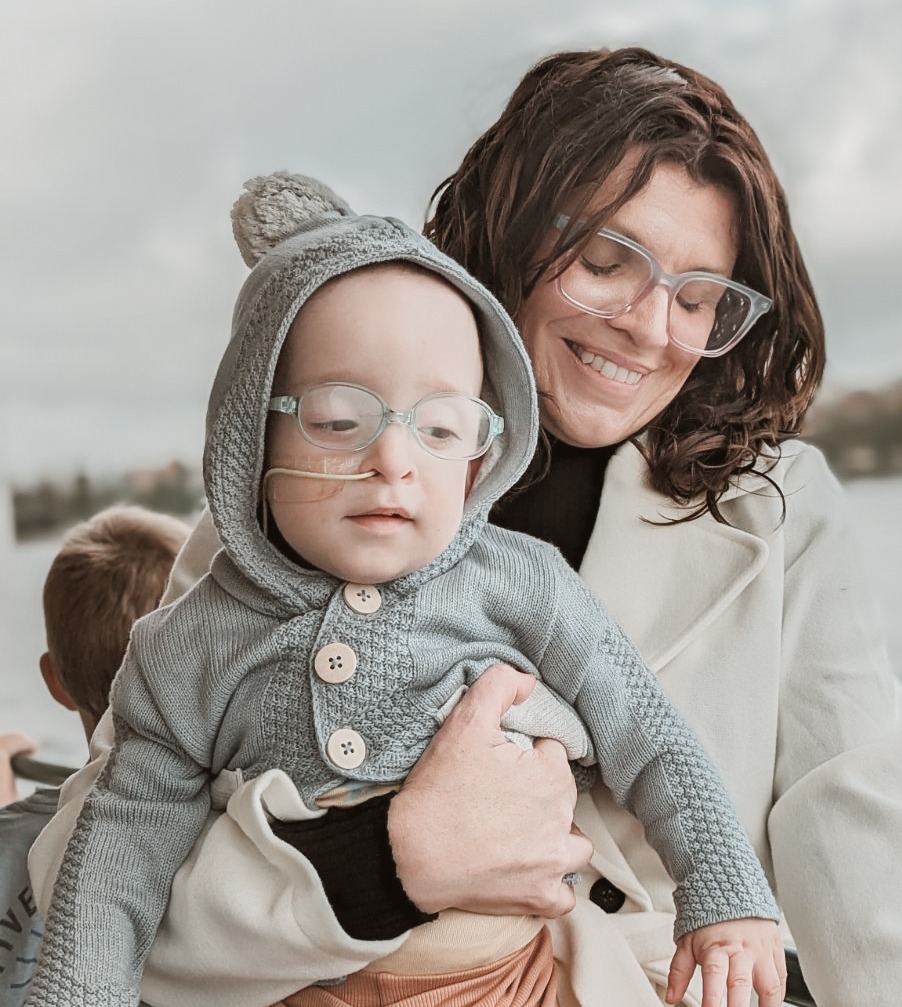
The diagnosis came after we started seeking answers for his unique health challenges. He survived a stroke at birth, and a 45 minute long seizure.
When he was a few months old, we were referred to the Early Diagnosis Clinic through the Cerebral Palsy Alliance. Up to this point, our suspicion was that he would have Cerebral Palsy.
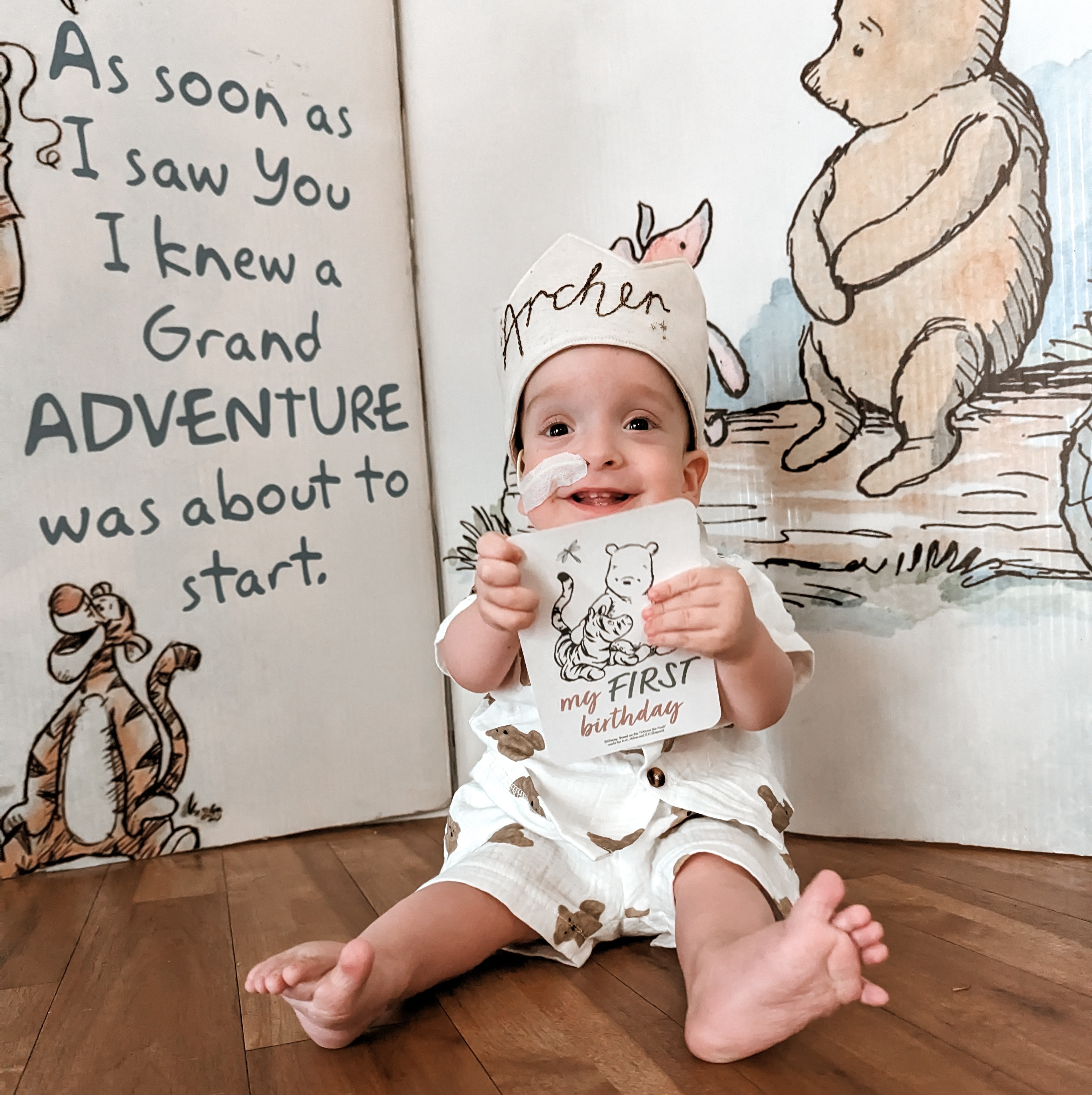
Archer was 5 months old at this point and was already diagnosed with Global Developmental Delay (GDD), Failure to Thrive (FTT), it was noted that he had low muscle tone (hypotonia).
He was given a naso-gastric tube (NGT) for feeding, as he was below the 1st percentile on the growth charts.
During the appointment, the neurologist noted a number of Cafe-Au-Lait marks over his body. She mentioned referring us to a geneticist, to test for a condition called Neurofibromatosis Type 1.
Several months later, just after his first birthday we sat in the office office of his pediatrician. I was told his genetic testing came back positive for NF1."
As I absorbed the information about this rare but incredibly common genetic condition, a quiet realisation settled over me. The symptoms they were describing? They weren’t just his. They were mine too.
It wasn’t an immediate leap to get tested. At first, I dismissed the thought, after all, I had lived 35 years without knowing. But the more I learned, the more I saw myself in the descriptions of NF1. The café-au-lait spots, the way my skin freckled in places it shouldn’t, the unexplained pain and fatigue.
I'd recently been diagnosed with ADHD as an adult, and everything I'd experienced as a child seemed to line up with NF1.
Eventually, I requested genetic testing for peace of mind. Our geneticist was hesitant. Clinically, I had no signs or symptoms. He was sure it would come back negative.
In September of 2024, six months after Archer was diagnosed, the results confirmed what I had already suspected: I, too, have NF1.
It was a strange feeling, to be diagnosed with a lifelong genetic condition as an adult. On one hand, it explained so much about my past. On the other hand, it left me questioning why it had taken this long.
Why had no one noticed? Why had I gone through childhood, adolescence, pregnancy, and motherhood without a doctor ever connecting the dots?
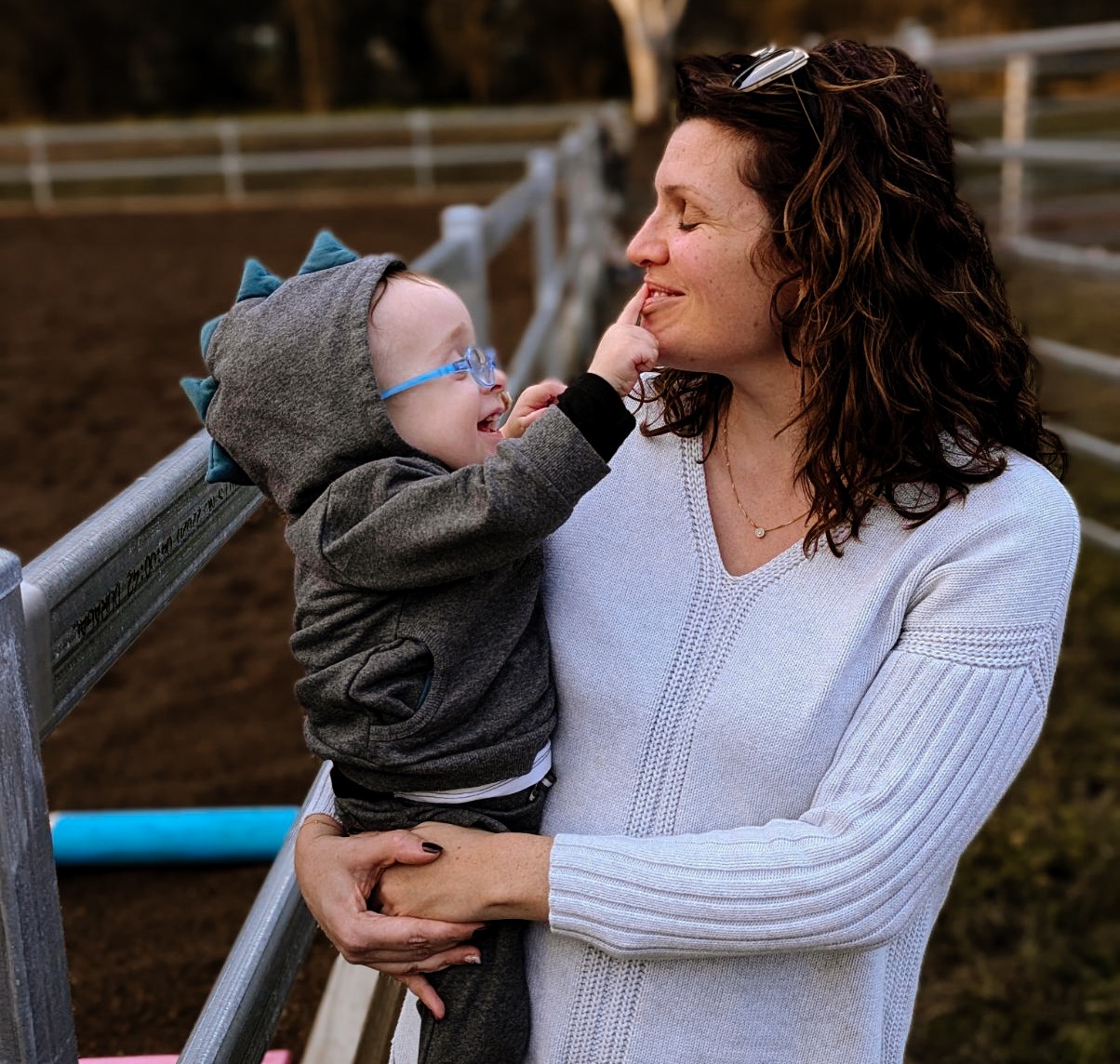
Now, I’m playing catch up. I have a strong family history of breast cancer; my mother was diagnosed at 45 so I already was considered to be at risk. NF1 increases that risk even further.
I’ve had a breast MRI, and I have been connected with the high risk cancer clinic after having two benign polyps removed from my colon. I am seeing a neurologist, waiting to get an MRI on my brain and spine to get a baseline for tumour growth.
Archer is under the care of the complex neurogenetic clinic at westmead. He also has an occupational therapist, physical therapist, speech pathologist and dietician. After 22 months on the NGT, he has successfully weaned from needing it. However, his cognitive delays, and health concerns continue to worry us. He has started to develop some issues with his spine and ribcage, and has some vision issues.
NF1 is the most common rare genetic condition, affecting approximately 1 in 2,500 people.
Yet, despite its frequency, routine screening for it is not standard. If Archer hadn’t been diagnosed, I might have gone my whole life without knowing. And while that knowledge hasn’t changed who I am, it has given me the ability to advocate for myself and my child in ways I never could before.
That’s why I firmly believe that NF1 testing should be included in newborn screening, and more funding into research. Early diagnosis can lead to better monitoring, early interventions, and more informed medical care. No one should have to wait until they’re 35, with two children of their own, to find out they have NF1.
Share this story