Bella's Story
Bella is 13 and lives with Neurofibromatosis Type 1 (NF1). Looking back now, the signs were there from when she was very young, but for many years we had no idea they were all pieces of the same puzzle.
Bella had multiple café-au-lait marks on her skin from a young age. To us they were simply birthmarks and we had no reason to think they meant anything more.
As Bella grew, other difficulties started to emerge. She had speech and communication difficulties, learning difficulties, attention issues and hearing problems. We were seeing different professionals for different concerns but there wasn't one explanation connecting everything.
Our paediatrician was the person who eventually brought all the pieces together. She recognised the significance of Bella’s café-au-lait marks along with other signs that had developed, including Lisch nodules in her eyes and scoliosis.
In 2024, when Bella was 11, she received a clinical diagnosis of NF1. In 2025, genetic testing confirmed her diagnosis.
Patrick and I were also genetically tested and neither of us had the NF1 genetic variant, meaning Bella’s NF1 was considered a spontaneous or “de novo” genetic change.
There was no family history and before Bella we knew very little about NF1. Having a diagnosis suddenly helped explain why so many things that had seemed unrelated throughout her childhood were occurring together.
Bella has also been diagnosed with Autism Spectrum Disorder Level 2, ADHD, Developmental Coordination Disorder, specific learning disorders affecting reading, writing and maths, hearing loss and scoliosis.
One of the biggest things we have learnt is that NF1 isn't simply about tumours. It can affect so many different parts of a person's body and development and every person's journey can be completely different.
For quite a while, Bella’s NF1 was something we monitored. As she has entered adolescence, however, her medical needs have become increasingly complex.
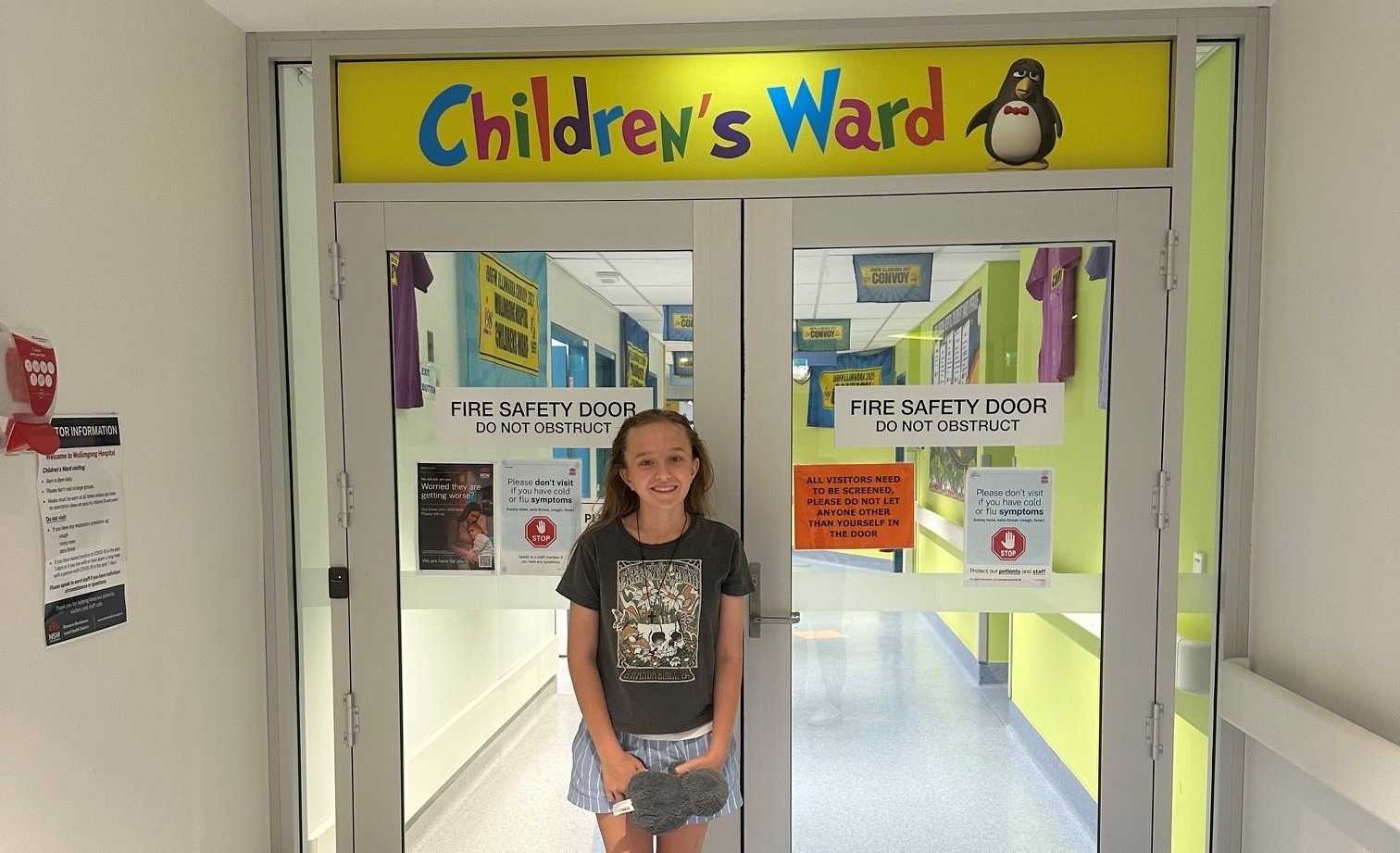
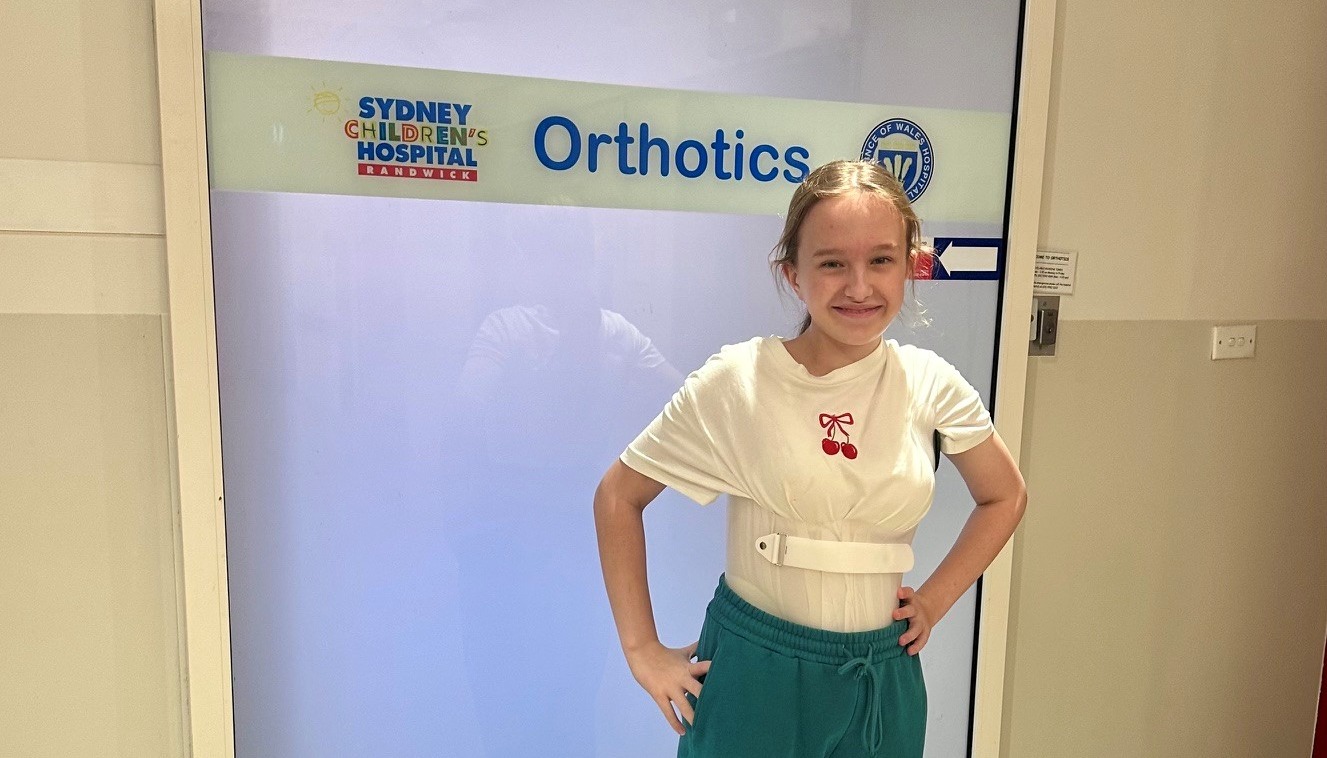
Her scoliosis progressed and she now needs to wear a brace for more than 18 hours a day. She is monitored through Sydney Children’s Hospital and recently needed a new custom brace after growing out of her previous one.
She also has significant muscle and hamstring tightness and mobility difficulties and has undergone physiotherapy assessment as part of her neurological care. Then in late 2025, another major challenge appeared when Bella started having seizures.
Her seizures weren't what most people imagine when they think of epilepsy. Bella would become vacant and unresponsive, sometimes for around two minutes, with dilated pupils. Afterwards she wouldn't remember what had happened and would be extremely tired.
She was subsequently diagnosed with epilepsy and commenced medication. This was a significant change for all of us and began another round of specialists, tests and hospital appointments.
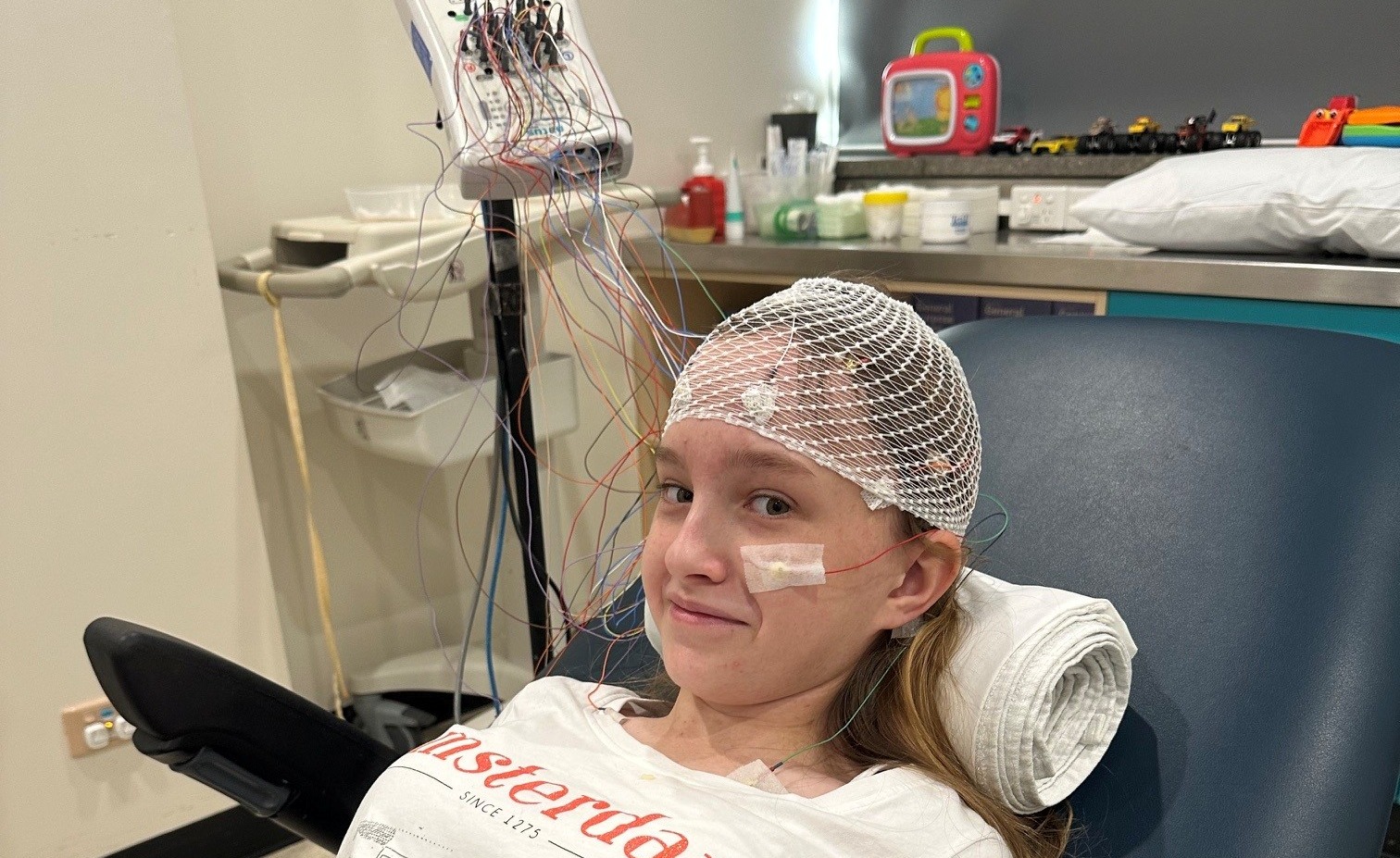
Bella’s first EEG was abnormal. It showed slightly disorganised background brain activity as well as both generalised epileptic activity and focal activity from the left centro-temporal area of her brain.
Neurology felt that the electrical activity on the EEG didn't completely match the way Bella’s actual seizures were presenting, which appeared more like focal impaired-awareness seizures. Because of this, they ordered another sleep-deprived EEG to get a clearer picture of her brain activity, particularly while she was asleep.
Bella has now completed that EEG and we are waiting for the results.
Thankfully, her medication appears to be controlling the seizures we can see, but we are still learning exactly what is happening neurologically.
Bella has also undergone extensive imaging. Her brain MRI was reviewed by a specialist neuroradiology team and they identified multiple changes associated with NF1 in different areas of her brain.
The findings were significant enough to be discussed with Neuro-Oncology to determine whether there was any role for MEK inhibitor treatment.
More recently, Neurology ordered a spine MRI because they wanted to ensure tumours or neurofibromas weren't contributing to Bella’s scoliosis.
We have now been told by Bella’s paediatrician that neurofibromas have been identified around nerves near her hip area rather than on her spine. She also believes some of the abnormalities identified when specialists reviewed Bella’s brain MRI may be neurofibromas. We are now waiting for Neurology to formally bring together and explain the brain MRI, spine MRI and latest EEG findings.
Neurofibromas are generally benign, non-cancerous growths that develop along nerves and are a characteristic feature of NF1. Depending on their size and location, they can sometimes cause pain or affect movement or other functions, which is why ongoing monitoring is so important.
This has probably been one of the biggest developments in Bella’s NF1 journey to date.
Some of Bella’s biggest challenges aren't visible on an MRI or EEG.
Although Bella is 13, her communication and social skills don't always match those of other children her age. She has speech and language difficulties and can struggle to express herself or explain exactly what she means.
Sometimes things come out differently from how she intended them and this can lead to misunderstandings with her peers.
She also has significant learning difficulties with reading, writing and maths.
This year we have unfortunately had to deal with bullying at school. Because of Bella’s communication difficulties, she isn't always able to advocate for herself or clearly explain what has happened in a difficult social situation. As her mum, that can be particularly hard to watch.
Bella looks like any other 13-year-old girl and I think people can sometimes assume that she should communicate, understand social situations and respond in the same way as other teenagers her age. The reality is that she can be quite vulnerable socially and sometimes needs the adults around her to recognise when she is struggling.
At the same time, she wants exactly what other teenagers want — friendships, belonging, independence and to be accepted for who she is.
One of the most positive things to come from Bella’s NF1 journey has been finding the NF community through the Children’s Tumour Foundation.
Bella has attended two NF Family Camps and has made friends there, including Tom and Hamish.
For me as her mum, it has been beautiful to watch her connect with other young people without the usual social difficulties or drama she can sometimes experience. They could simply hang out, have fun and be themselves.
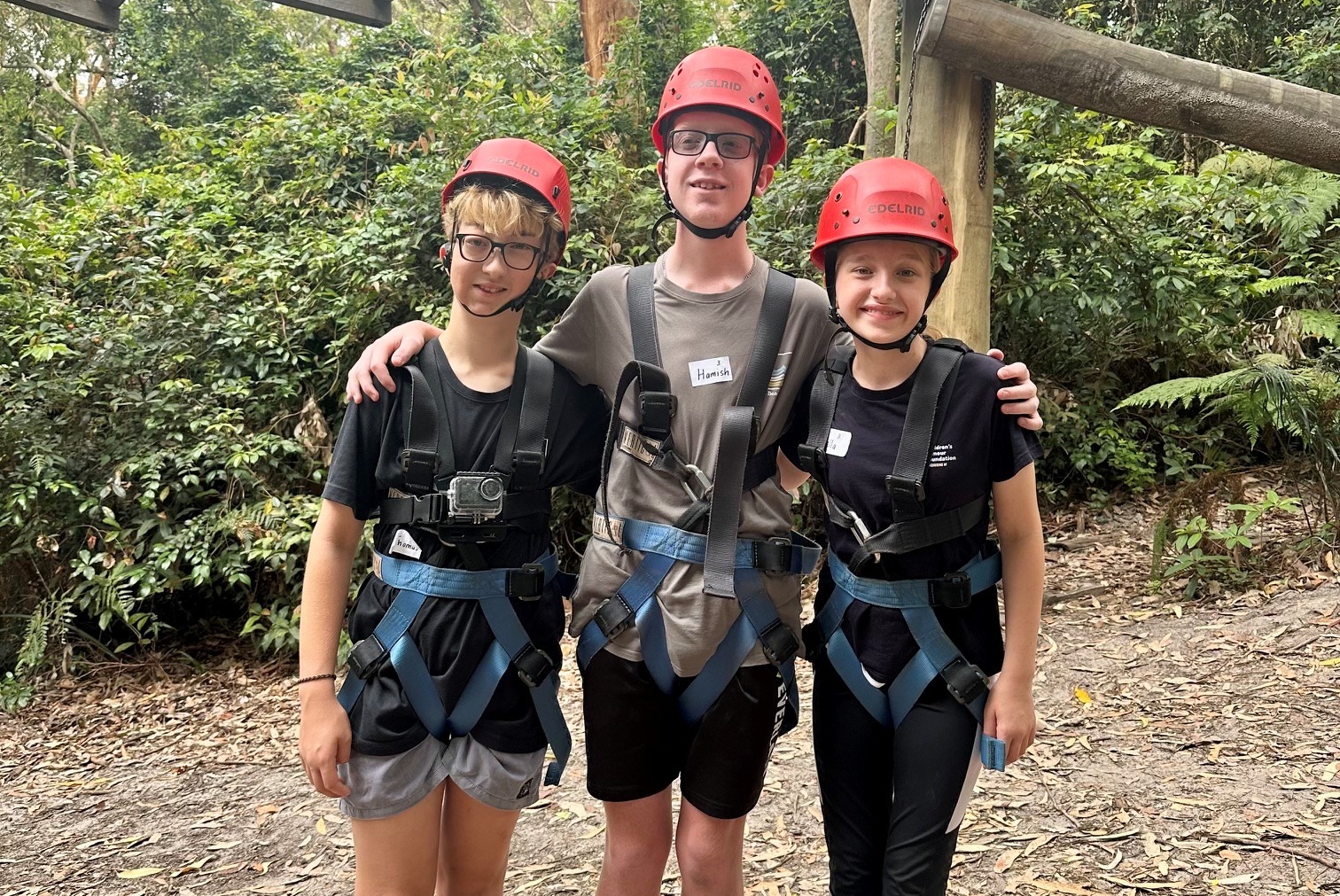
There was something really special about watching Bella be in an environment where being different was completely okay. Nobody needed to explain themselves. Everyone had their own challenges and their own NF journey and they could simply accept one another as they were.
After some of the social difficulties and bullying Bella has experienced, those connections mean even more.
The NF community has also been incredibly important for me as a parent. I have kept in touch with some of the families we have met and it is good to be able to check in with one another.
Everyone's NF journey is different. Sometimes another family is experiencing something we haven't encountered yet and at other times we may have been through something that we can help them with. There is a comfort in being able to talk to another parent who understands the uncertainty without having to explain the condition from the beginning.
The Children’s Tumour Foundation has also helped us with information, resources and connections to clinicians familiar with NF.
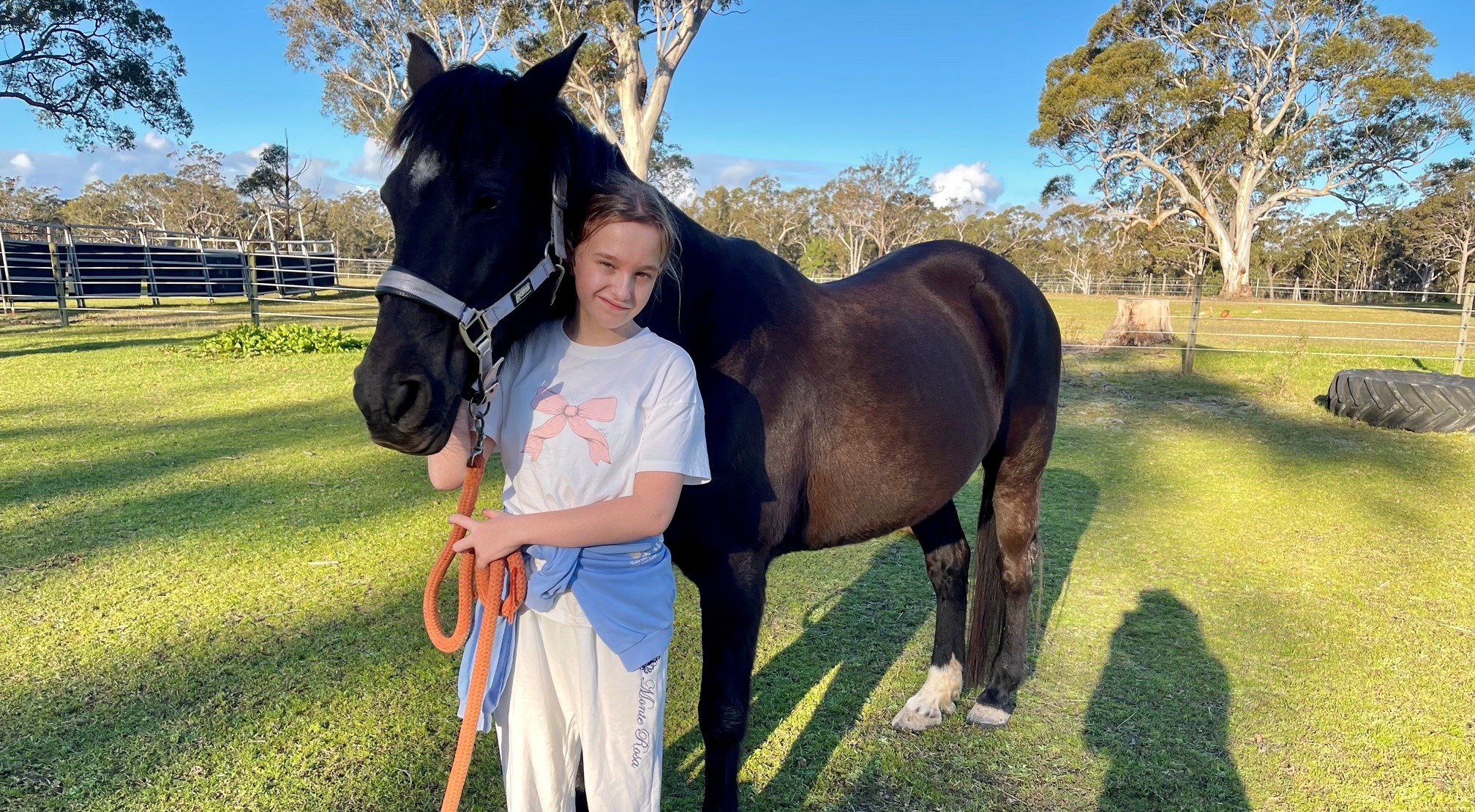
Among all the appointments, diagnoses and tests, it is important to us that Bella isn't defined by NF1.
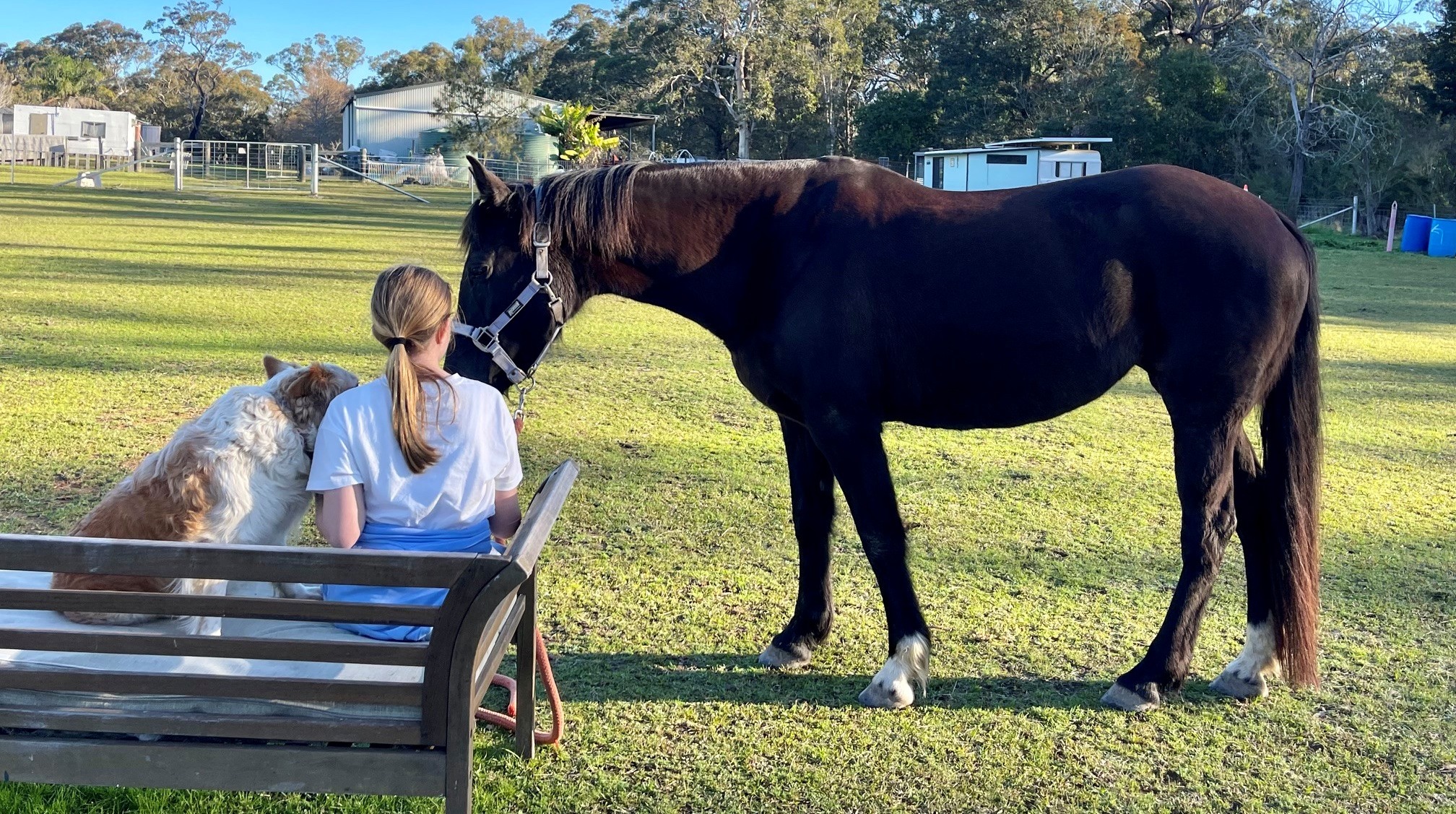
She loves horses and animals and is incredibly creative. She loves art and craft and horse riding has always been something particularly special to her.
She has also participated in NF1 research and we are very proud that she has been willing to contribute to research that may ultimately help other children and families living with NF.
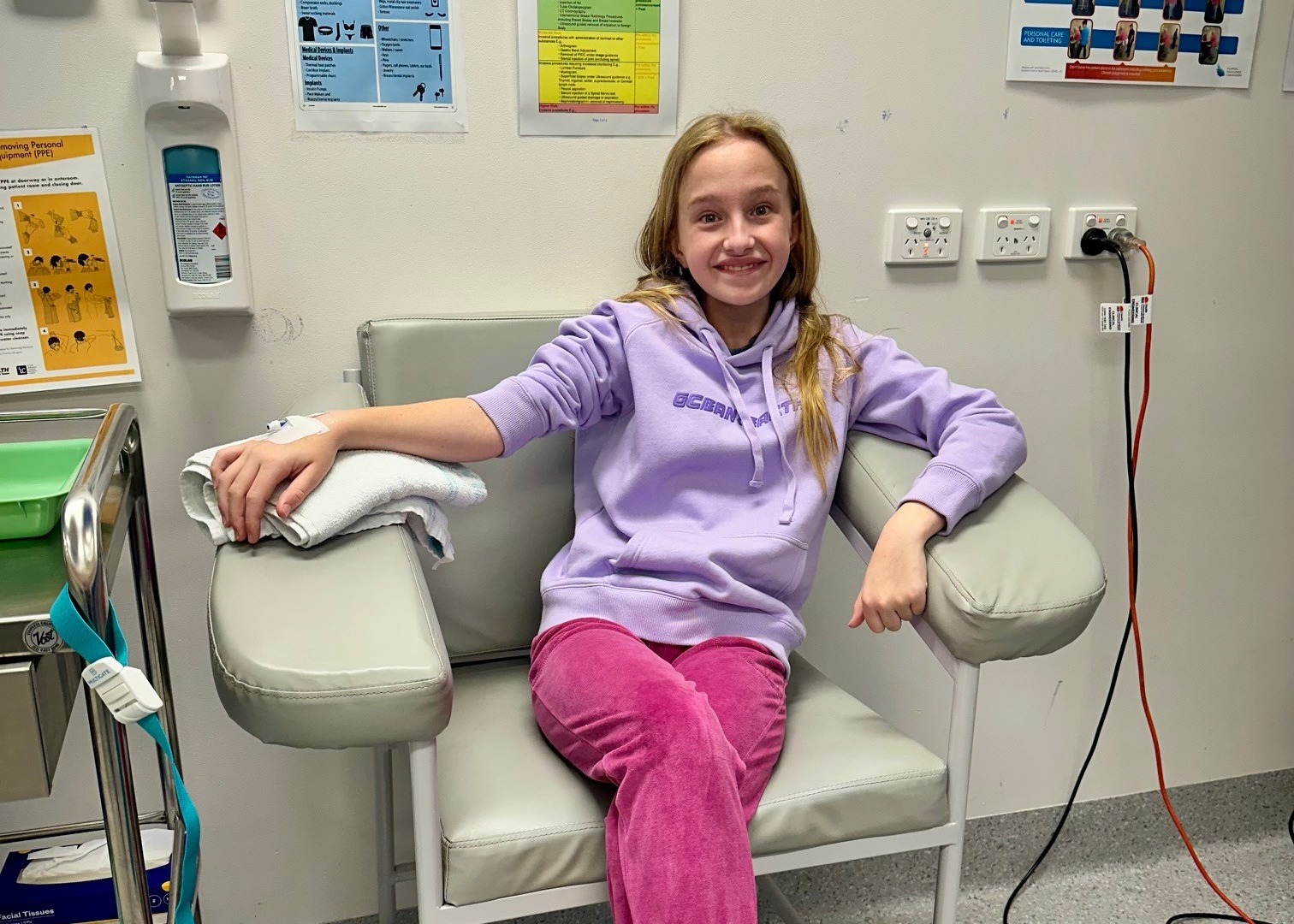
Bella has spent so much of the last couple of years attending hospitals and appointments, having MRIs, EEGs, blood tests, genetic testing, physiotherapy, OT and speech therapy, orthopaedic appointments and brace fittings. Yet she generally takes it all in her stride.
As Bella’s mum, I think one of the hardest things about NF1 is the uncertainty.
There isn't a roadmap telling us what Bella will or won't develop. NF1 can look completely different from one person to another and things can change over time. The Mercury article highlighted that unpredictability too — some people experience relatively few health problems while for others NF can be debilitating.
We have gone from thinking Bella's café-au-lait marks were simply birthmarks, to a clinical NF1 diagnosis, genetic confirmation, epilepsy, extensive neurological investigations and now the identification of neurofibromas.
At the moment we are waiting for Neurology to bring together her latest EEG, brain MRI and spine MRI findings so we have a clearer picture and a good baseline from which her specialists can monitor her going forward.
There are times when it is overwhelming, but knowledge is power. The more we understand about what is happening in Bella’s body, the better chance we have of monitoring changes early and getting her the right support when she needs it.
If sharing Bella’s story helps another parent recognise the signs of NF1 earlier, makes another family feel less alone or helps raise awareness and funds for research and better treatments, then sharing it is worthwhile.
For us, it really is one appointment at a time, one result at a time and one day at a time.
Share this story